Doing Your Part to Protect the Trail Resource
The Green Mountain Club is committed to providing hikers the education and resources they need to be an empowered steward of the mountains, trails, and waterways here in Vermont. “Leave No Trace” is a globally accepted set of principles designed to minimize human and pets’ impacts on the land while recreating. Read on to learn the 7 Principles of Leave No Trace, how they apply on the Long Trail System, and why it matters.
What is Leave No Trace?
The 7 Principles of Leave No Trace are:
It’s your responsibility to know the regulations and guidelines of your chosen trail or trip. That means checking weather information, road and trailhead access information, camping regulations, special natural areas like alpine zones or wilderness areas, determining if your groups needs a permit, and anything else to give you the information you need to have a safe and responsible hike.
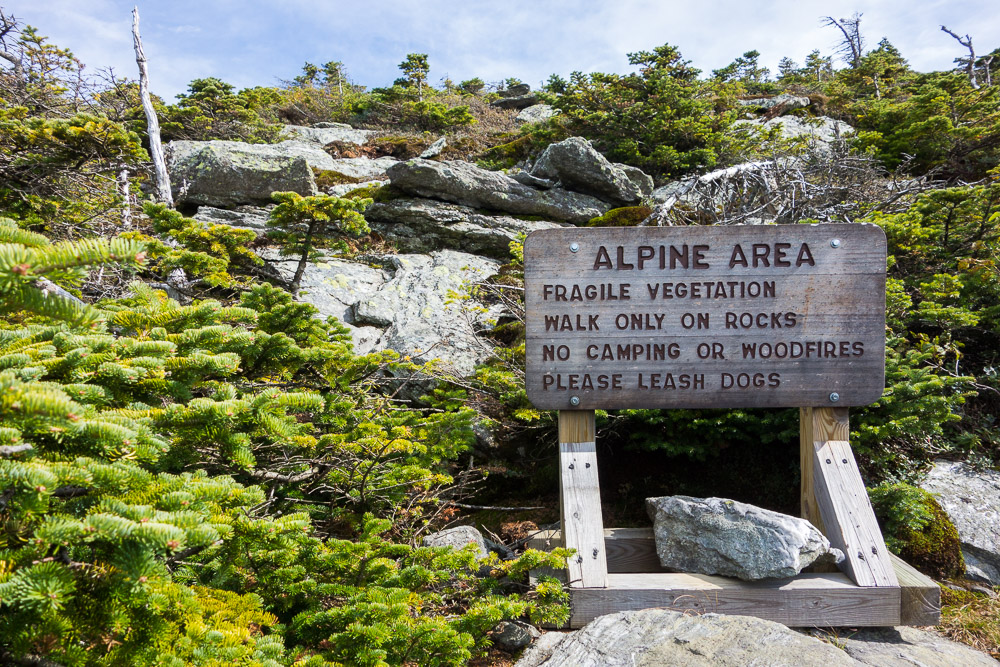
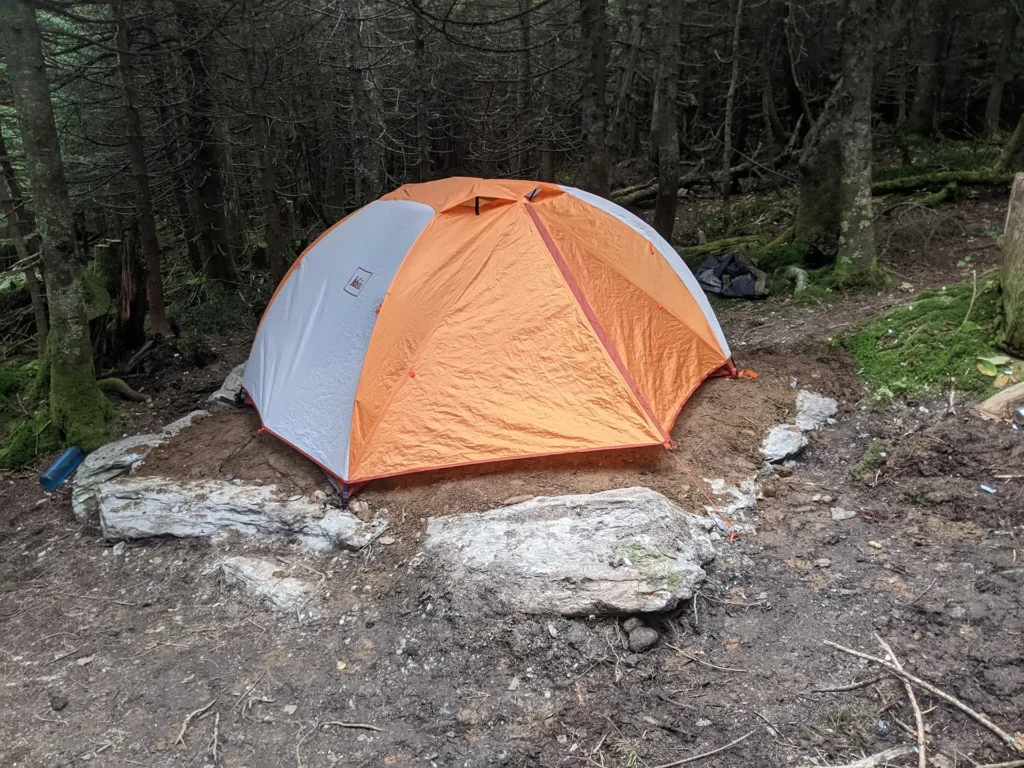
Trails, campsites, and the underlying vegetation are fragile and likely to be damaged by users. Durable surfaces, like wooden boardwalks, crushed gravel pads, and reinforced soil can withstand foot traffic. On the Long Trail System, this means camping in shelters and designated tenting areas, or following dispersed camping regulations closely. It means staying on trail to avoid causing erosion or damage to the surrounding landscape. This principle is especially important in Vermont’s alpine zones, home to endangered and vulnerable vegetation. Camping is prohibited above 2500 feet.
Pack out all food scraps, trash, and hygiene products and dispose of it in a garbage can when you complete your trip. Food scraps can attract animals, bringing them too close to humans. Garbage does not break down properly in the backcountry and is unsightly and harmful to plants and animals.
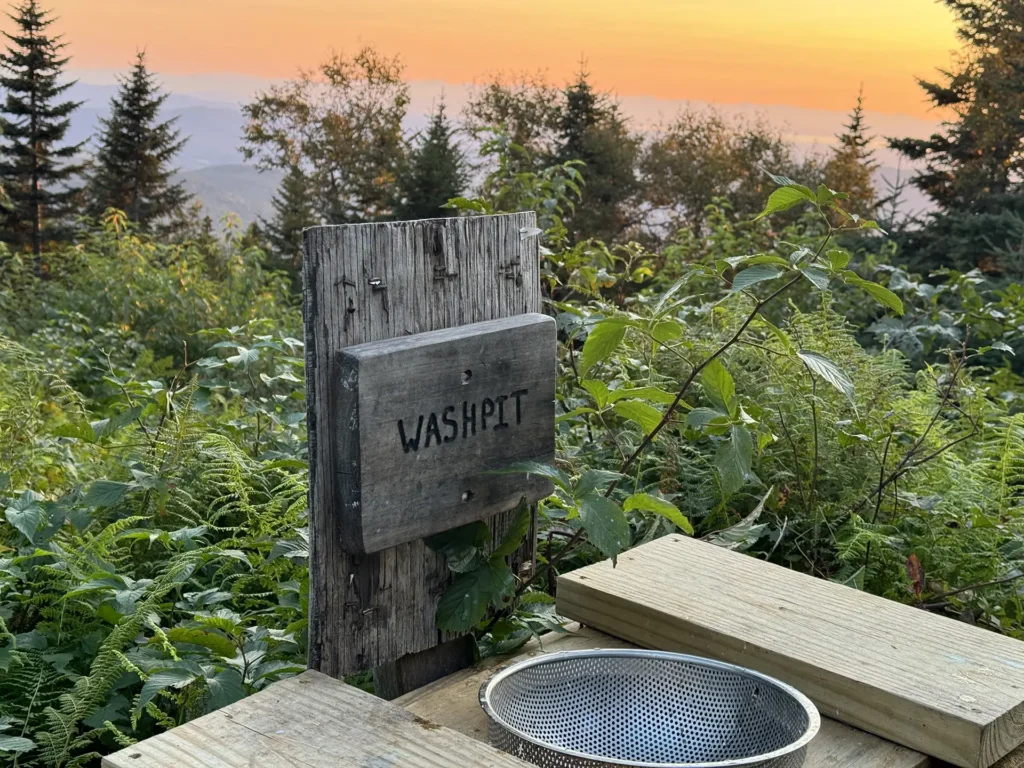
Proper waste disposal also applies to human waste. GMC maintains over 70 composting privies (outhouses) along the Long Trail and Vermont Appalachian Trail. Using them when available and following the instructions (placed on each privy door) will help the composting process and make for a more sustainable and enjoyable hiking experience. Never throw trash in the privies; it disrupts the composting process, GMC staff will need to manually remove it, and it attracts bears.
If nature calls when you are not near a privy, making sure you are 200 feet (about 70 steps) from a stream, trail, or camp and digging a 6-8 inch “cat hole” to bury your waste will ensure the water stays clean and another hiker doesn’t accidentally step in what you have left behind. You can bury the toilet paper or carry it out in your waste bag.
We know how tempting it can be to take “just one rock” or other gems from your adventures. It’s important to remember that the items we find in nature all have a role to play, either in the ecosystem or as part of the landscape. Try taking a photo or even making a sketch of the fun rocks sticks, shells, or wildflowers you find. The hikers behind you and the ecosystem will be grateful.
Before you build and light a campfire, determine if the site is suitable, meaning there are no regulations against fire, or environmental factors such as high wind, limited suitable wood to gather, or dry leaf litter surrounding the site. Existing fire rings are the best place to build a fire. Keep the fire small and burning only for the time you use it. The Long Trail Guide has good information on fire regulations specific to most overnight sites on the Long Trail. Be sure to check current fire restrictions before your trip as well.
If you are gathering wood for a campfire, use the four D’s to determine what to use: use only downed and dead wood that is smaller in diameter than your wrist, and make sure to pick up wood from a good distance from camp, and not all from one location.
Do not chase, pick up, get close to, or feed animals. Proper food storage is one way to respect wildlife, as bears or other creatures that can access human food may become habituated or persistent. This keeps you, animals, and other hikers safe.
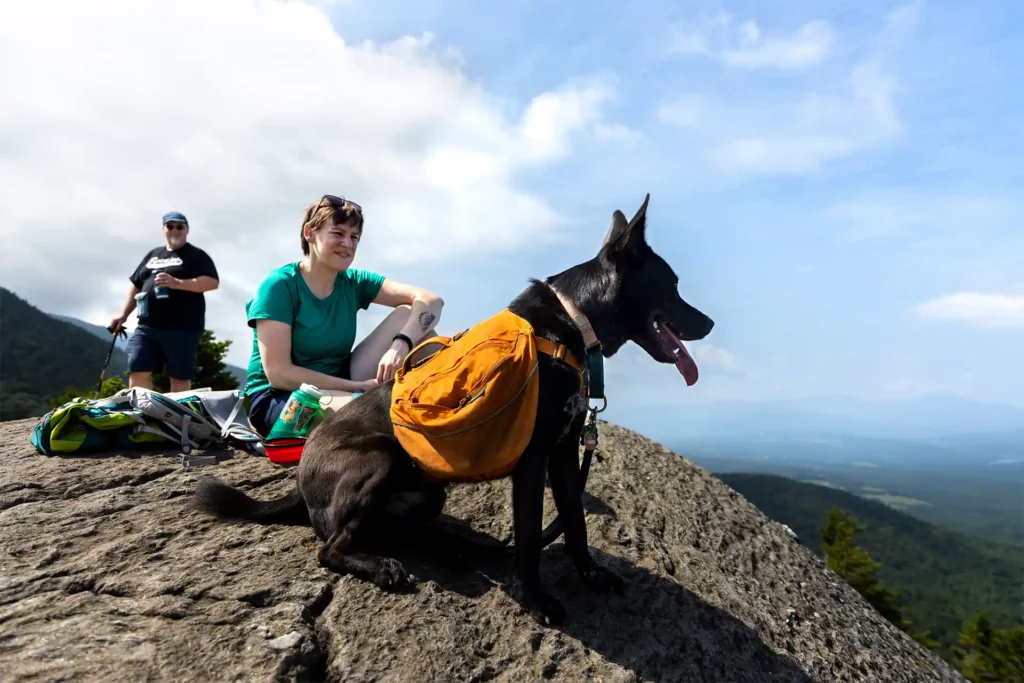
Loud noises, uncontrolled pets, litter, human waste, and graffiti can negatively impact someone else’s outdoor experience. Consider how your adventure preferences — such as music or pets — might affect others, and plan solutions like headphones for music or a leash for dogs. GMC fosters a welcoming and inclusive hiking community. Treat others with kindness and respect, understanding that folks have different experience levels and goals when it comes to outdoor recreation. Please respect all other trail users and do not make assumptions about their gear, behavior, or goals.
Why does Leave No Trace matter?
While you may be just one hiker, thousands of people use the trails every day, and the actions of a few can add up. By practicing the ethos of Leave No Trace, you are joining a collective mission to protect our trails and natural spaces and ensure future generations can enjoy these same trails and mountains as you have.

More Ways to Minimize Your Impact
Questions?
Not sure how to get the information you need, or if your plans follow the Leave No Trace principles? Get in touch with the Visitor Center to plan and prepare like a pro.