Get Started: Essential Tips for Hikers
Before you hit the trail, take the time to learn about Vermont’s landscape and climate, hiking and safety basics, and how to do your part to protect these natural spaces we hold dear.
Hiking season in Vermont spans late May – late October, but you can get outside any time, anywhere.*
*As conditions allow.
Choose a Hike
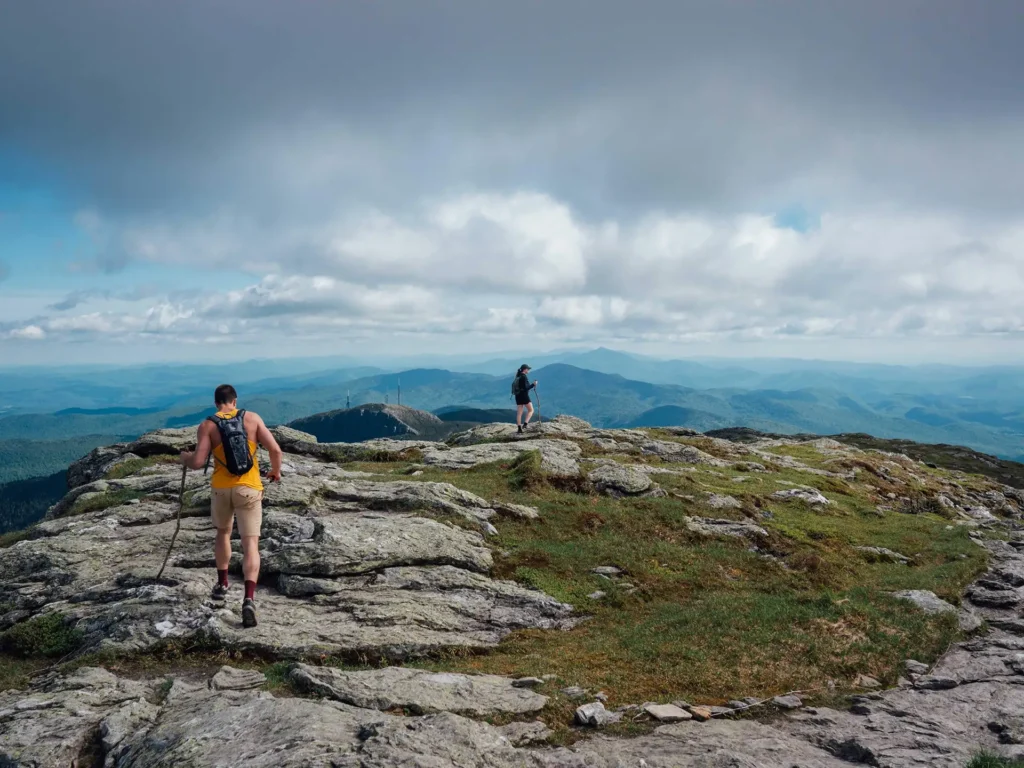
Choosing a hike often starts with a destination in mind, such as a challenging summit or gentle stroll to a viewpoint. It’s also important to consider trail length, elevation gain, surface, and current conditions.
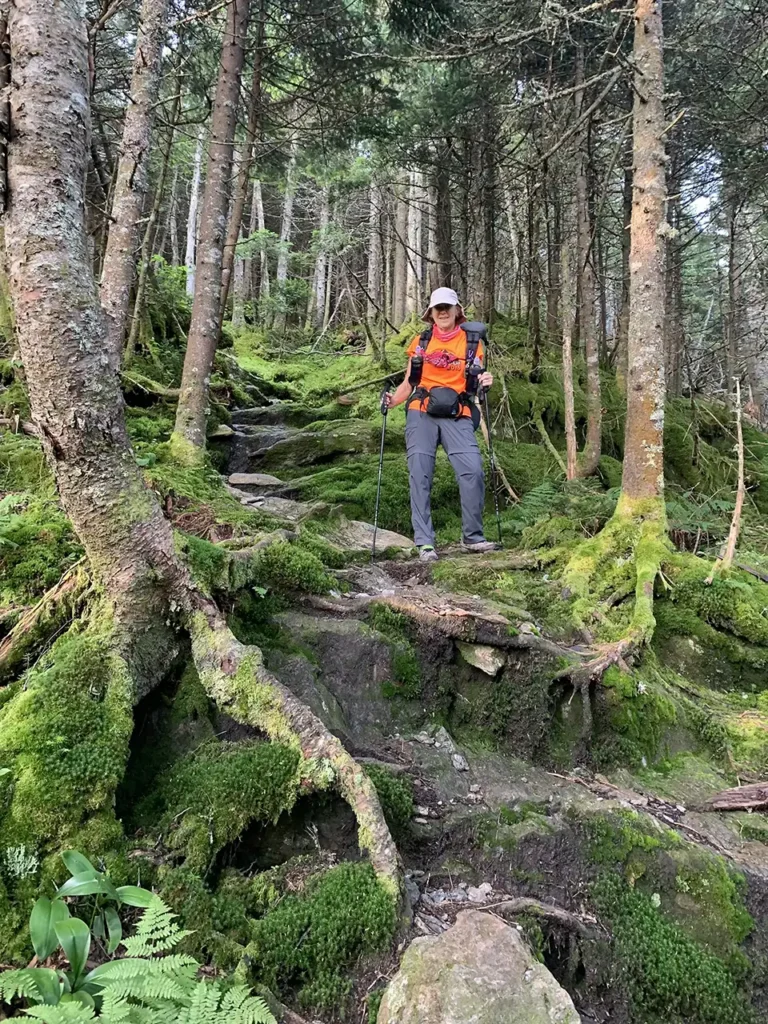
Hiking, with its possibly steep ups and downs, and rocky, rooty, or muddy surface, will always take longer than a walk of a similar distance on a sidewalk or dirt road. While all hiking paces vary, a very rough rule of thumb is one half hour per mile, plus an additional half hour for every 1,000 feet of elevation gain. Always plan for longer than you think. You can explore hikes by length and difficulty on GMC’s hike directory.
Seasons and Climate
Time of year and weather play a critical role in hike planning success. Summer and early fall (Memorial Day – Indigenous Peoples’ Day) is peak hiking season, though heat, rain, and thunderstorms can complicate things.
As temperatures drop and daylight lessens, you will need to plan accordingly with gear and timing. Winter hiking can be wonderful, but cold, snow, ice, and darkness can be challenging and dangerous. Hiking is strongly discouraged during the spring thaw, called mud season, and many high-elevation trails are closed to limit damage.
Pack Smart:
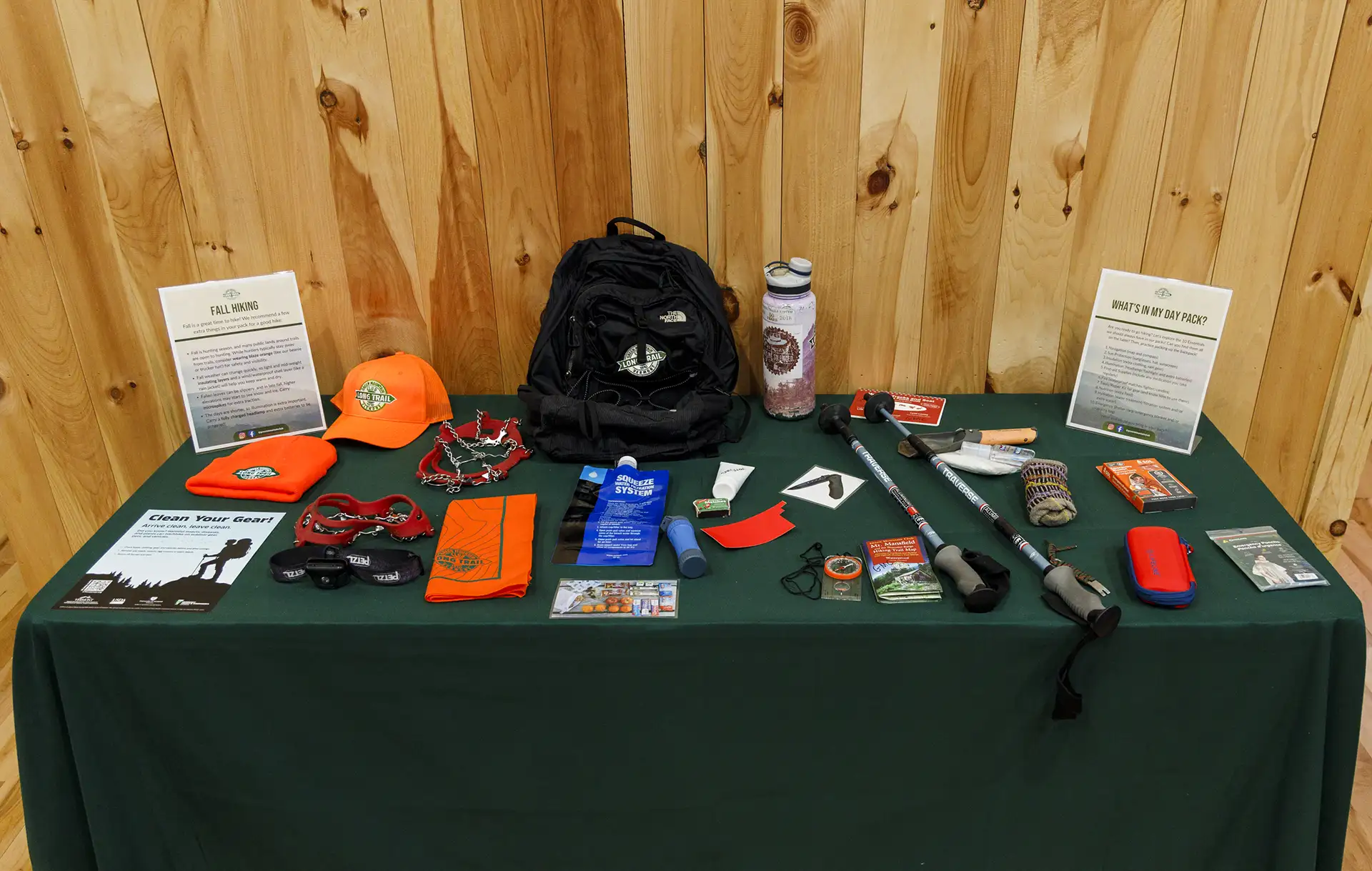
The Ten Essentials
For even the shortest hike, you must come prepared with the proper gear. Preferences vary, but that will include comfortable hiking boots or trail shoes, appropriate layers, and a day pack with your supplies. Trekking poles are very common and can improve stamina and stability. The Ten Essentials is a helpful framework to ensure you have everything you need in case things don’t go according to plan.
- Nutrition (Plenty of snacks to keep you fueled while hiking, plus extra in case of emergency)
- Hydration (Water for your trip, and/or a filtration system to gather water on the trail)
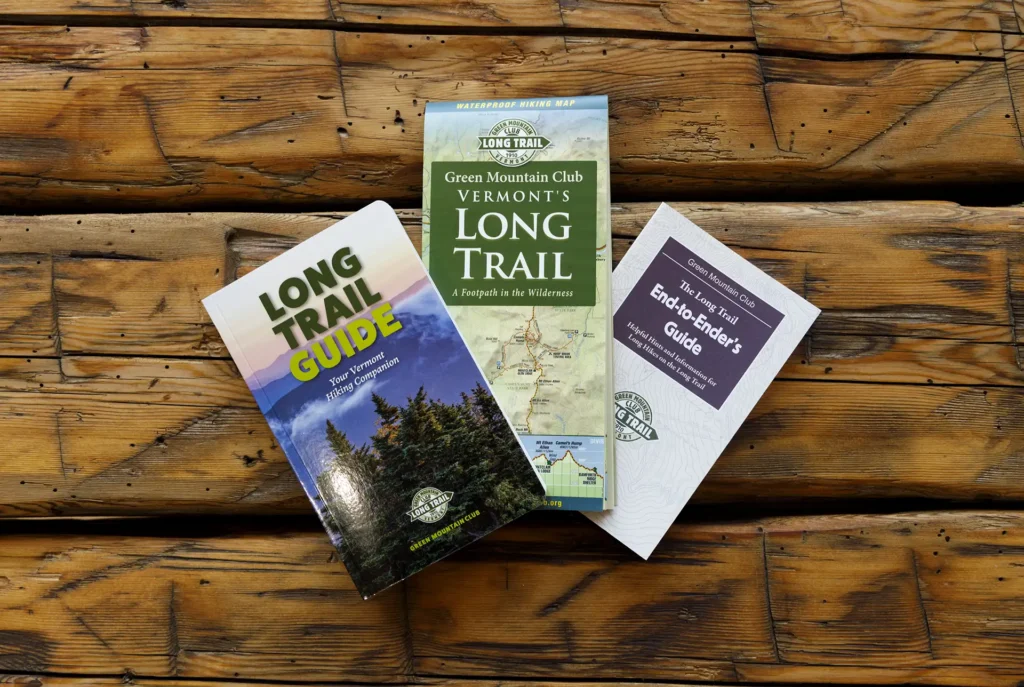
- Navigation (map and compass. A cell phone is a tool, but do not rely solely on it)
- Sun Protection (Sunglasses, hat, sunscreen, layers)
- Insulation (Extra layers, a warm jacket, rain and wind-proof gear)
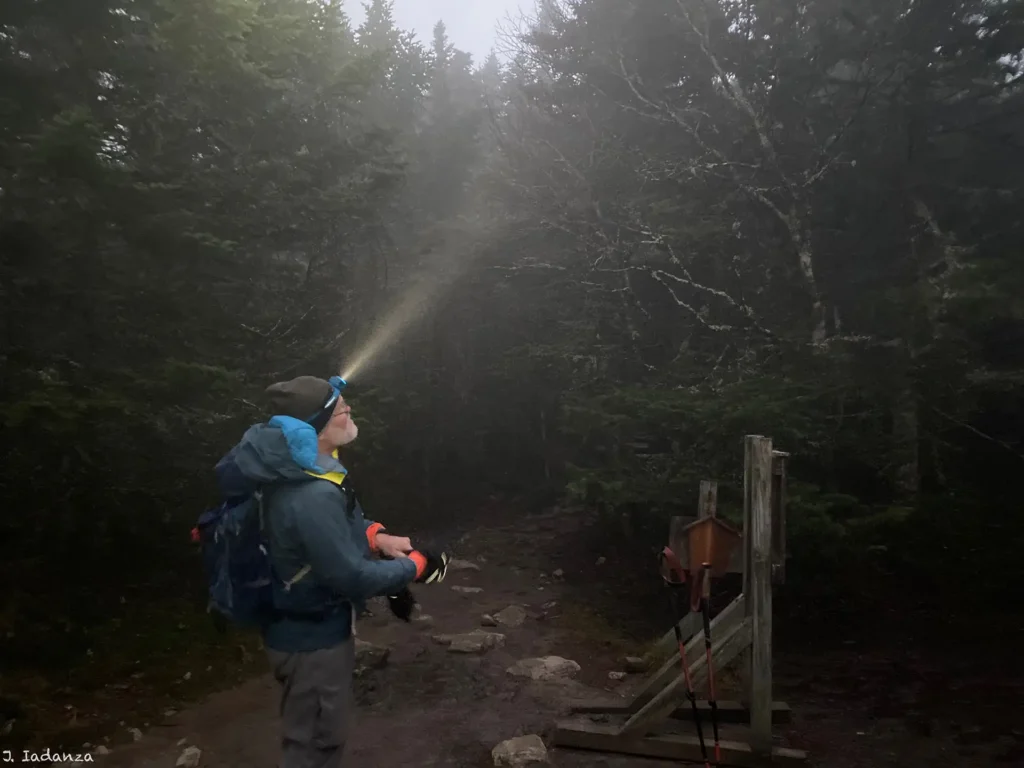
- Illumination (A headlamp or flashlight, with extra batteries.)
- First-Aid Supplies (Include any medication you take regularly)
- Fire (Waterproof matches/lighter/candles)
- Tools/Repair Kit for gear (and know how to use them!)
- Emergency Shelter (ex: tarp/emergency blanket)
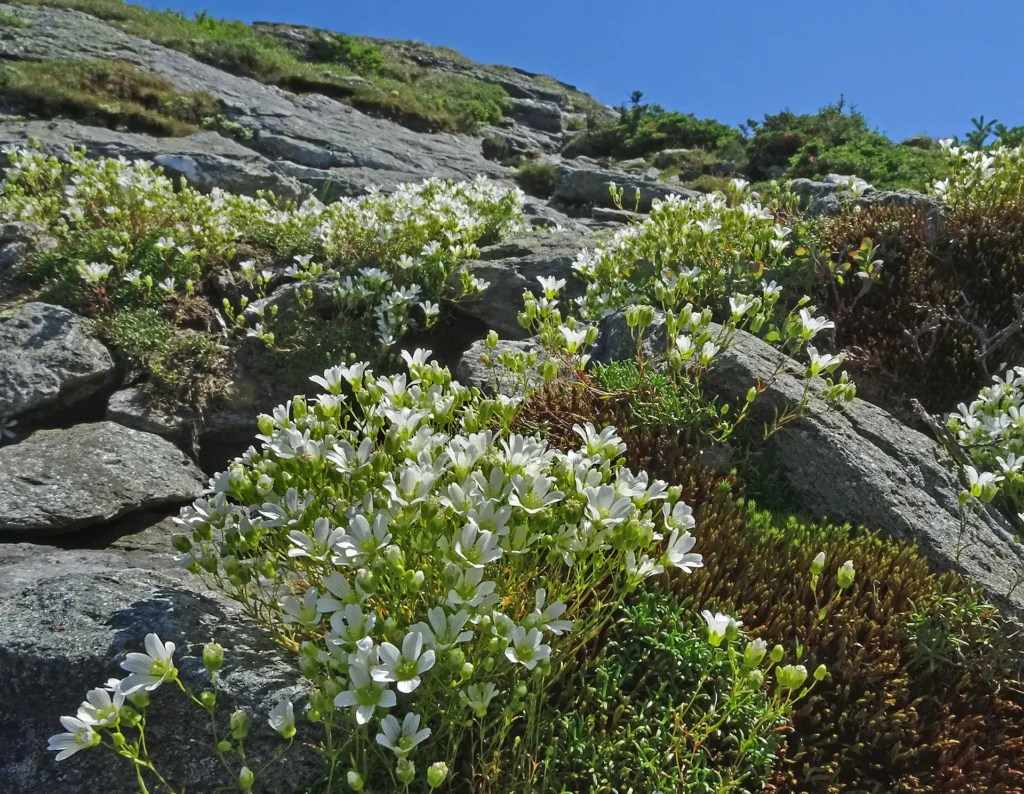
We all play a part in minimizing our impact on the surrounding landscape. The Green Mountain Club is committed to stewarding Vermont’s wild spaces so that future generations may continue to enjoy them. Always stay on designated trails, and follow the principles of Leave No Trace, a global movement to instill stewardship ethics in outdoor recreation.
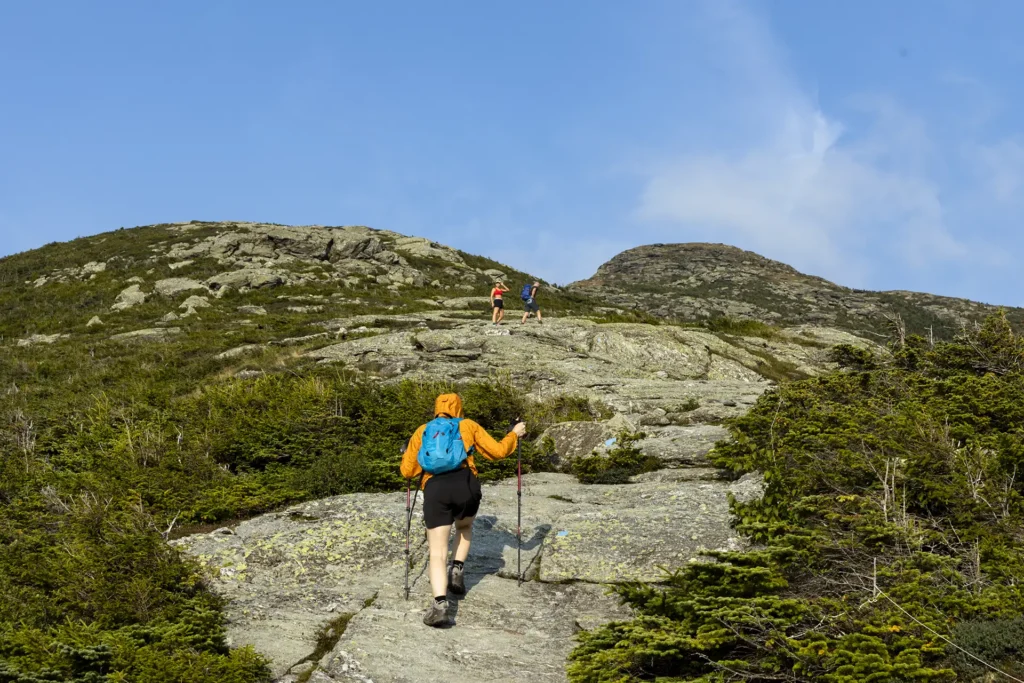
Safety starts with proper research, preparation, and planning. Learn more about common risks, such as weather, wildlife, and accidents, and how to handle an emergency.
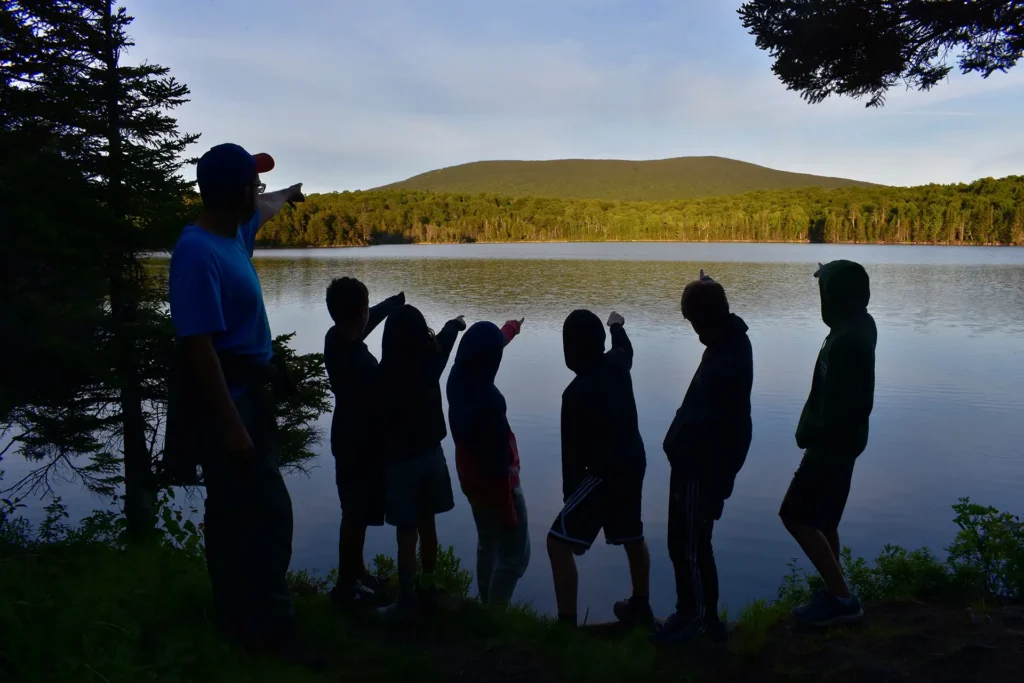
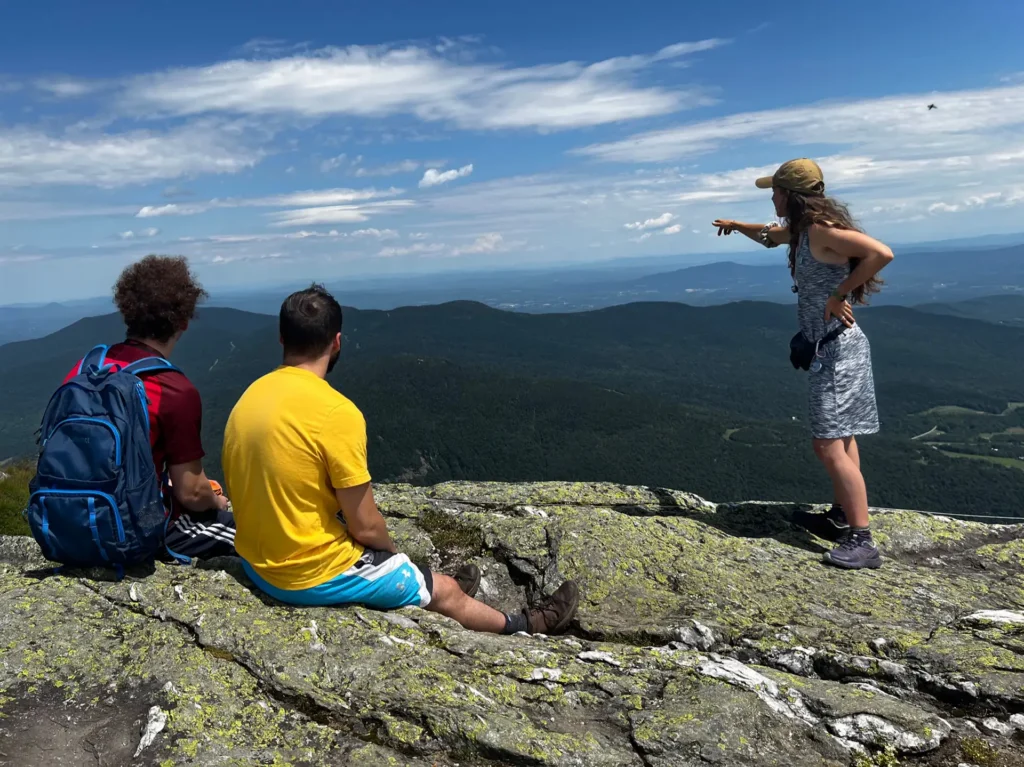
Hiking with others is a great way to build community + comfort, but groups should follow a few special guidelines to ensure they are not causing outsized impact on the land or fellow hikers.

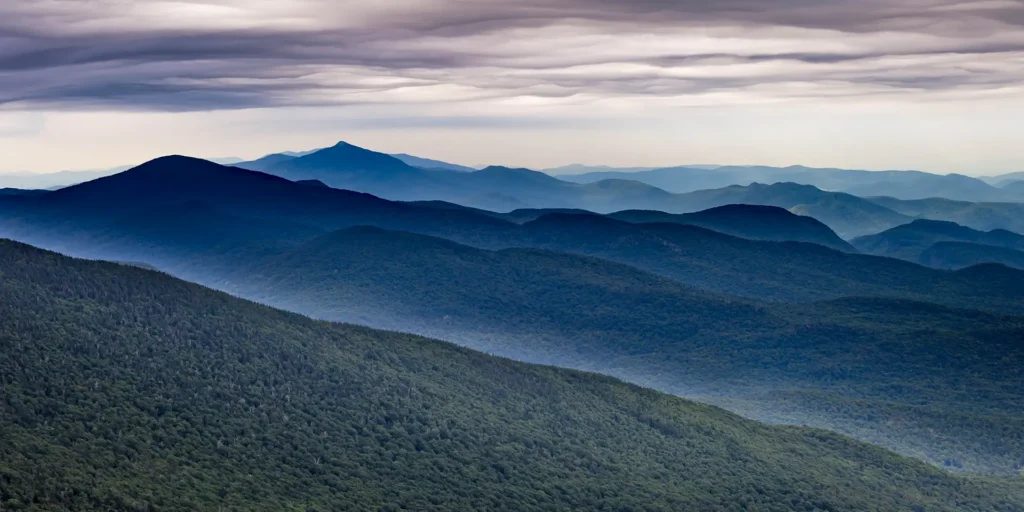
Have More Questions Before you Hit the Trail?
GMC’s expert Hike Information Specialists can help you plan the perfect hike for your needs.
Call, email, or stop by our Visitor Center in Waterbury Center, VT.