Protecting and Exploring Vermont’s Rarest Ecological Communities
A few of Vermont’s highest peaks are home to rare and special environments called alpine zones. These ecological areas are vulnerable to damage from human recreation impact and impacts of climate change. Part of GMC’s mission includes stewarding and protecting these areas, largely through educating hikers about the importance and fragility of alpine plant life and empowering hikers to be an active part of alpine zone protection.
What Are Alpine Zones?
Alpine zones of the Northeast are biologically diverse, isolated, and rare ecozones found above treeline on some of the highest points of the region’s mountains. These zones are characterized by harsh winds and colder temperatures. Alpine areas provide us with a look back in time to what the landscape was like after the glaciers melted at the end of the last ice age 15,000 years ago.
Here, you’ll find tundra plants similar to those found in the Arctic Circle even though we are much farther south in latitude. Alpine zones provide important habitat for plants and wildlife that have adapted to survive in tough alpine zone conditions, several of which are considered endangered or threatened species.
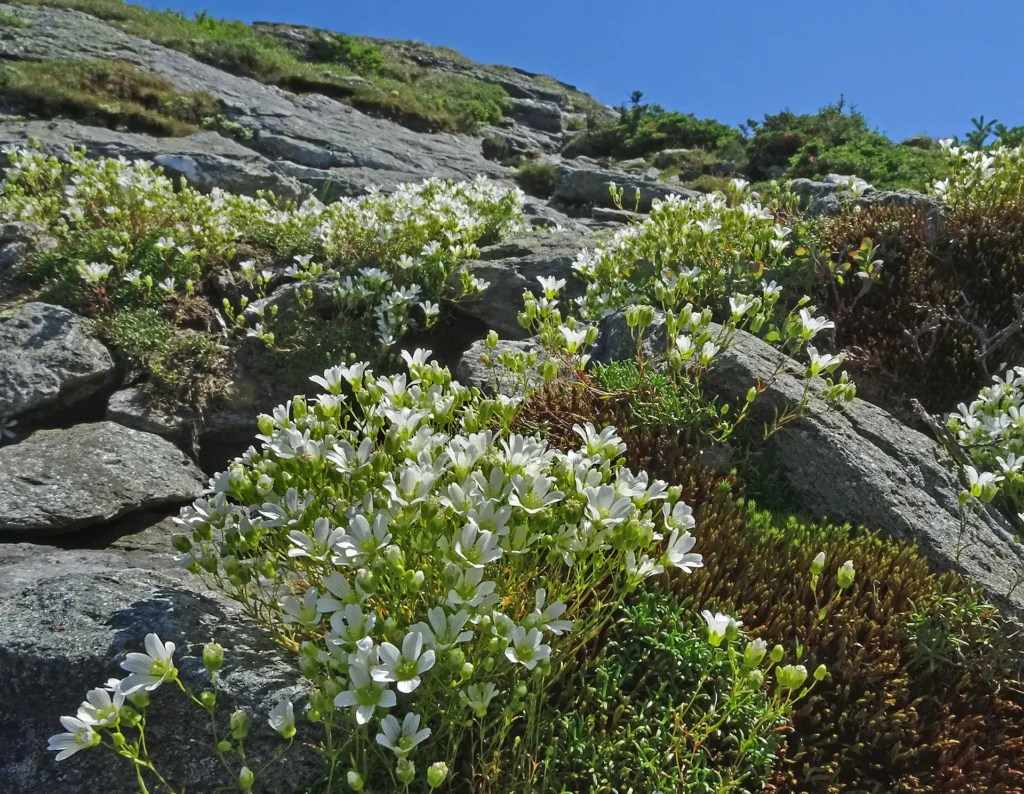
Although resilient to the harsh winds, cold temperatures, and acidic soil of their environment, alpine plants are vulnerable to other disturbances, including by human recreation. These plants can take a long time to grow in such an exposed environment but can some have long lifespans if protected from human activity (some individual plants and cushions are over 100 years old!). Aside from preserving them for their rarity, they are also important to the mountain ecosystem because their roots hold down soil and otherwise curb erosion at these altitudes.
Vermont’s Alpine Zones
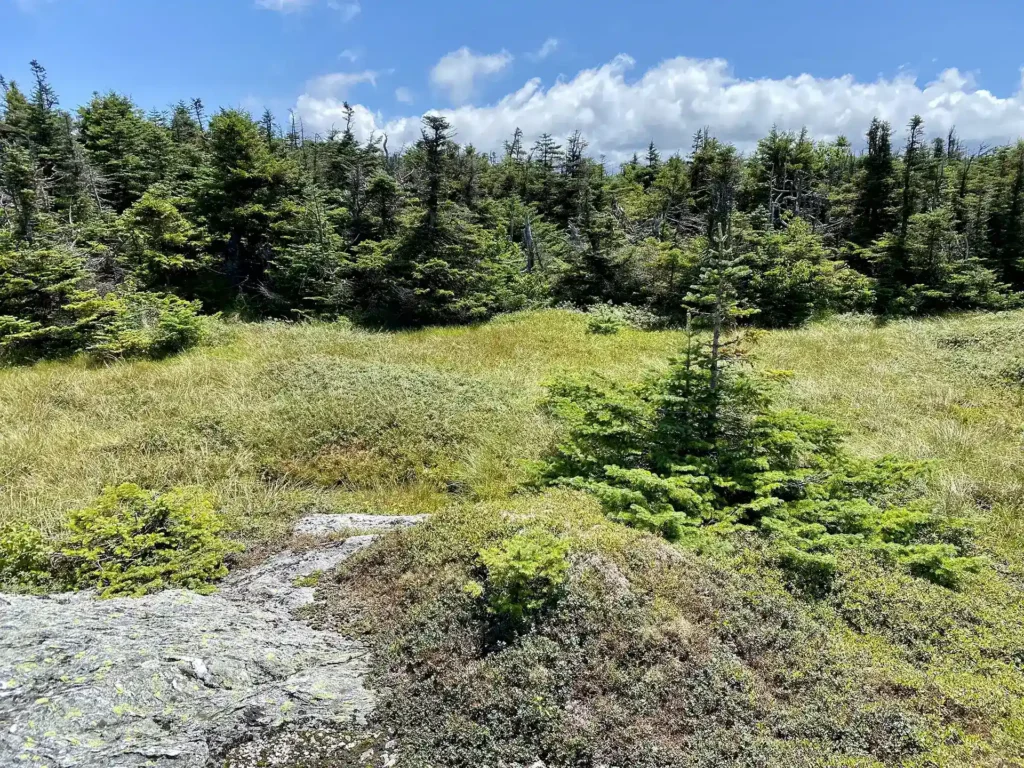
Across New York, New Hampshire, Vermont, and Maine, there are about 13 square miles of alpine zone. In Vermont, less than 125 acres of alpine tundra remains. Within those acres, eight alpine species are classified as either endangered (4) or threatened (4) in Vermont.
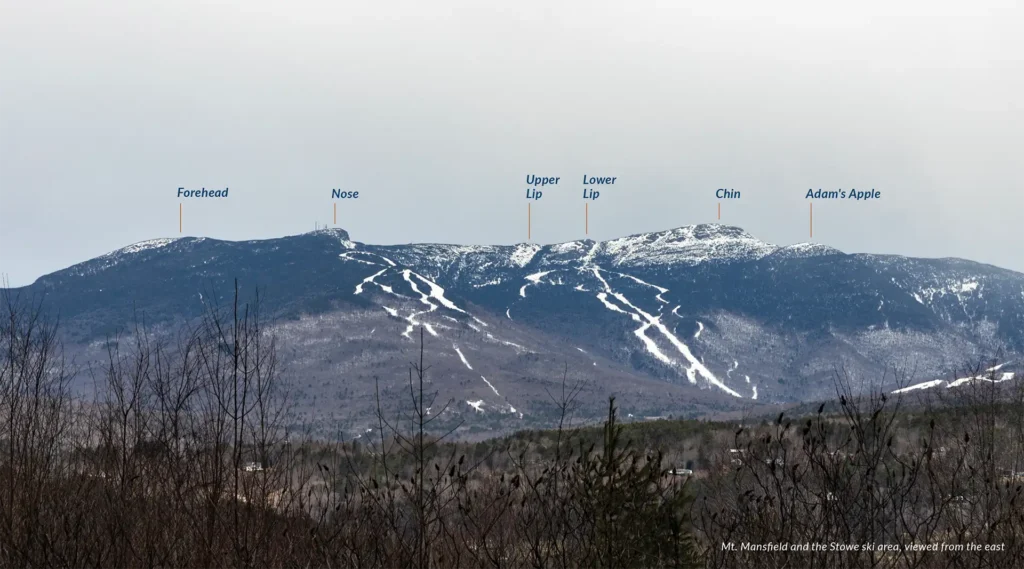
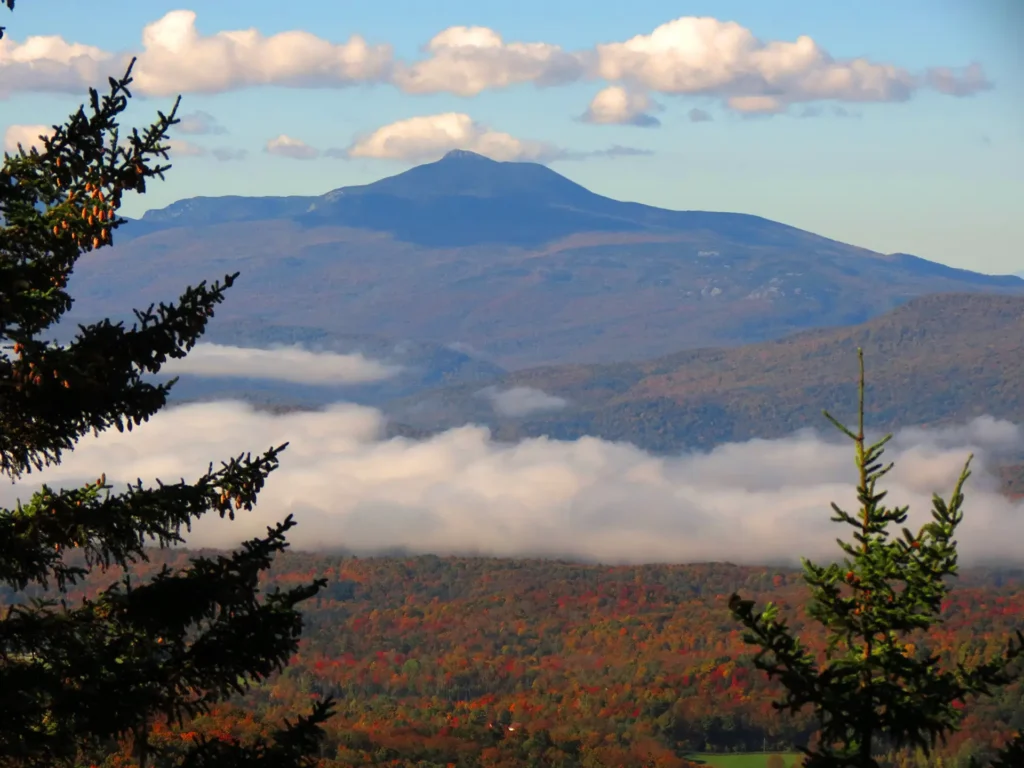
Three of the Green Mountain’s tallest peaks are home to the state’s alpine areas. Approximately 110 acres are found on Mount Mansfield, about 10 acres on Camel’s Hump, and less than 1 acre on Mt. Abraham. These three peaks are also some of the state’s most popular and well-hiked destinations and traversed by the Long Trail.
Alpine zones are widely enjoyed for recreation, so as a hiker, it’s crucial to educate yourself and others about the environment’s importance, fragility and vulnerability, and what you can do to help protect alpine zones.
How Can You Protect Alpine Plants?
Threats to alpine zones and plant life include climate change, development, invasive species, and the most immediate and preventable – human recreational impacts. Hiker footsteps pose the greatest danger to these plants, but the greatest protectors are hikers themselves.
You don’t have to be botanist or other expert to know and help protect alpine zones. The most important thing to remember is to stay on trail, to protect alpine vegetation from the impact of human and canine footsteps. Here are a few simple but impactful ways every hiker can steward these special ecosystems:
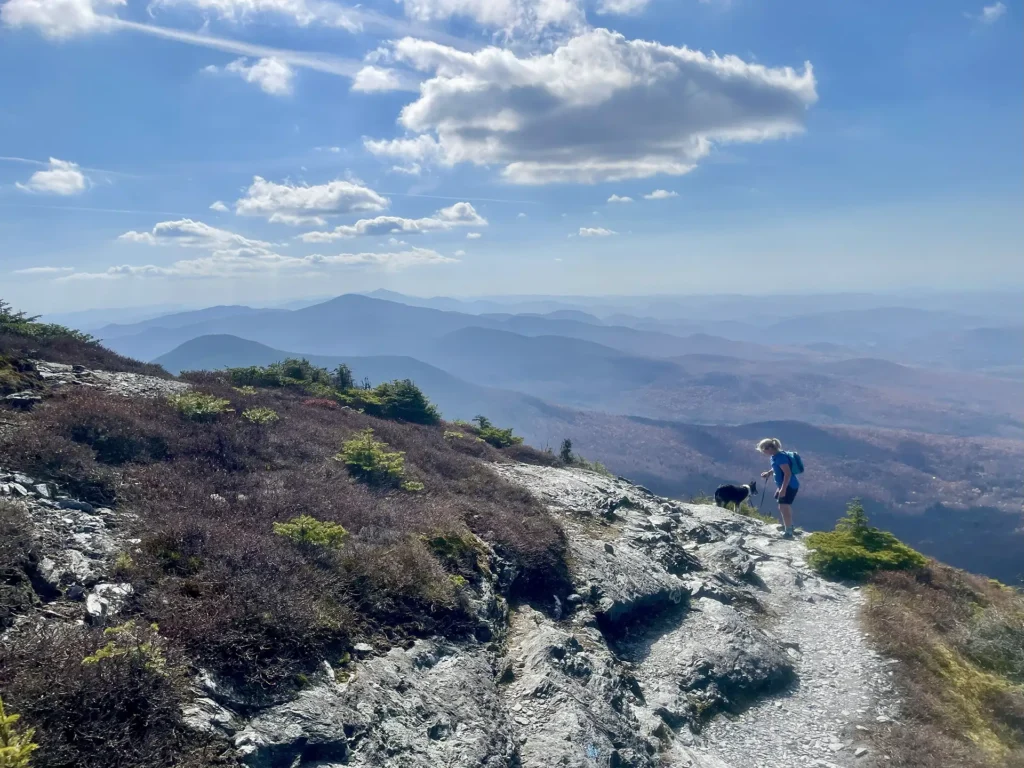
- Do the “rock walk” by staying on marked trails or bare rock and off of vegetation
- Stay within the areas marked by white string when hiking on alpine ridgelines and summits
- Familiarize yourself with these alpine plants: Alpine ID: 15 Plants to Find Above Treeline (blog post to carry over: https://www.greenmountainclub.org/alpine-plants-id-find-above-treeline/)
- Practice Leave No Trace in the alpine zone (blog post to carry over: https://www.greenmountainclub.org/leave-no-trace-alpine-zone/)
- Contribute to alpine research as a citizen scientist (blog post to carry over: https://www.greenmountainclub.org/support-alpine-research-become-a-citizen-scientist/)
- Leash dogs in alpine zones and ensure they do not step on plants either
- Consider supporting GMC’s work with a membership or donation

GMC Caretakers as Alpine Stewards
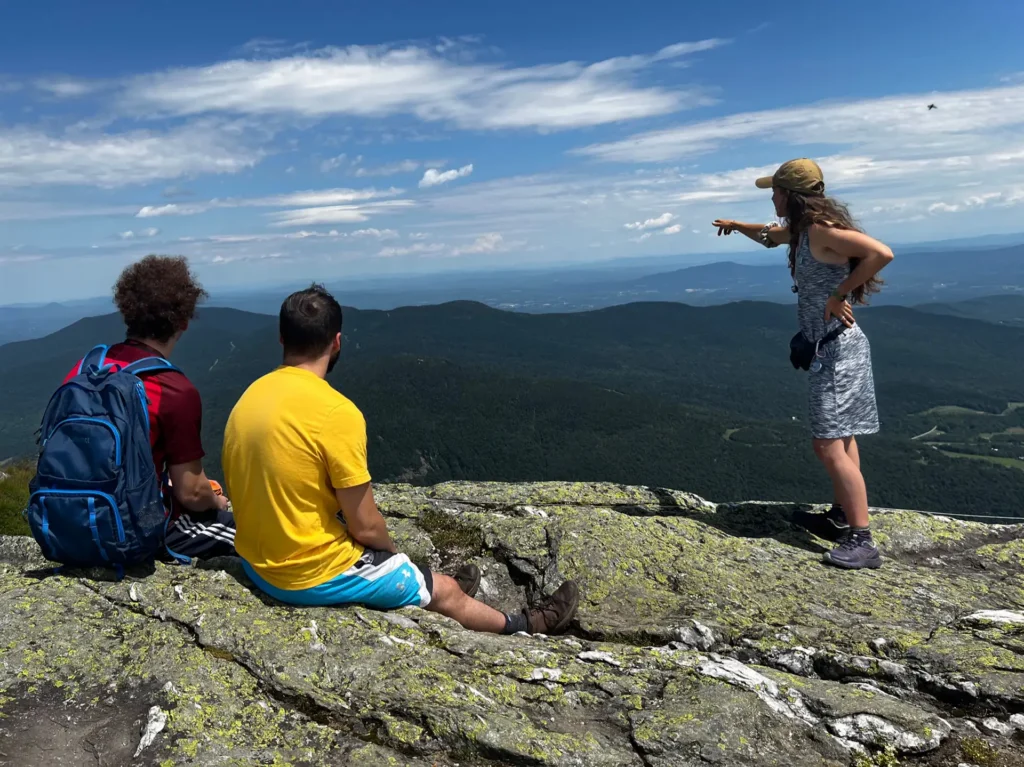
A primary goal of GMC’s backcountry caretaker program is to protect Vermont’s alpine zones through face-to-face on-site education between caretakers and the hiking public. Caretakers and volunteer trail stewards are often onsite at popular alpine summits and can answer any questions you may have about your hike, the trails, shelters, and natural history of the area.
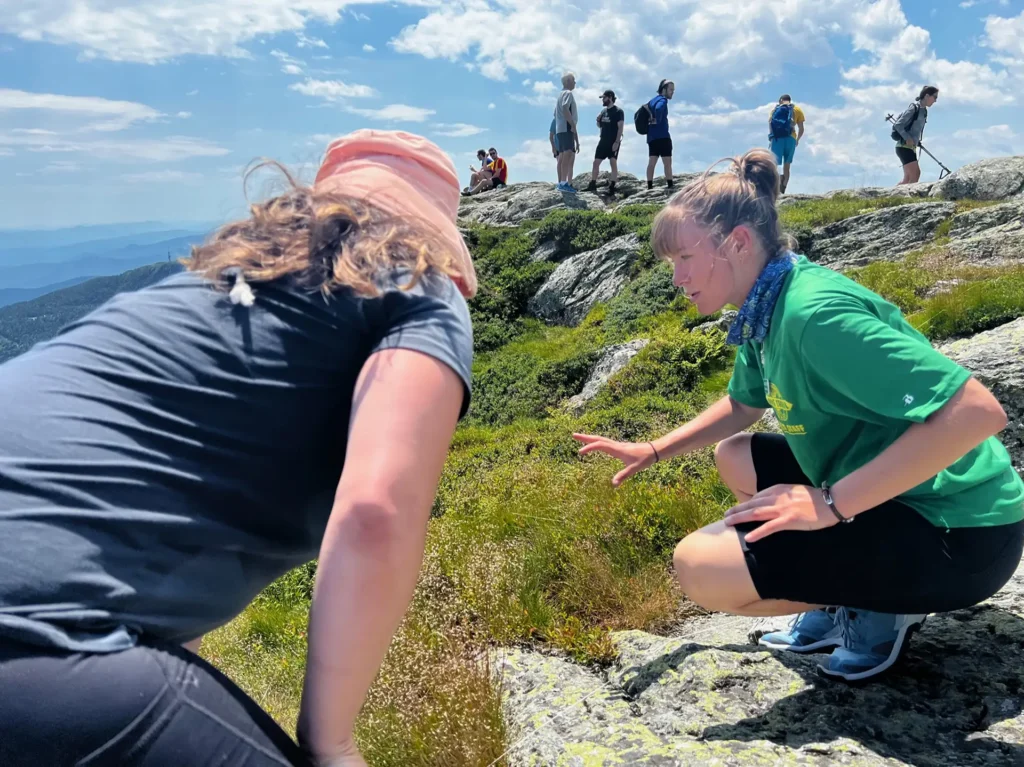
Do Your Part in the Alpine Zone
Learn to Identify Alpine Plants
Ready to take your alpine stewardship to the next level? Learn how to identify mountain sandwort, bearberry willow, Bigelow’s sedge, and other plants found on Vermont’s highest peaks.