America’s Oldest Long-Distance Hiking Trail
The Long Trail, a rugged footpath that runs along the spine of the Green Mountains from Massachusetts to Canada, is a Vermont treasure. Built by dedicated Green Mountain Club volunteers from 1910-1930, today it spans 272 miles and is used by hundreds of thousands of hikers every year. it was the vision of James P. Taylor and later served as inspiration for the Appalachian Trail.
Hike the Long Trail
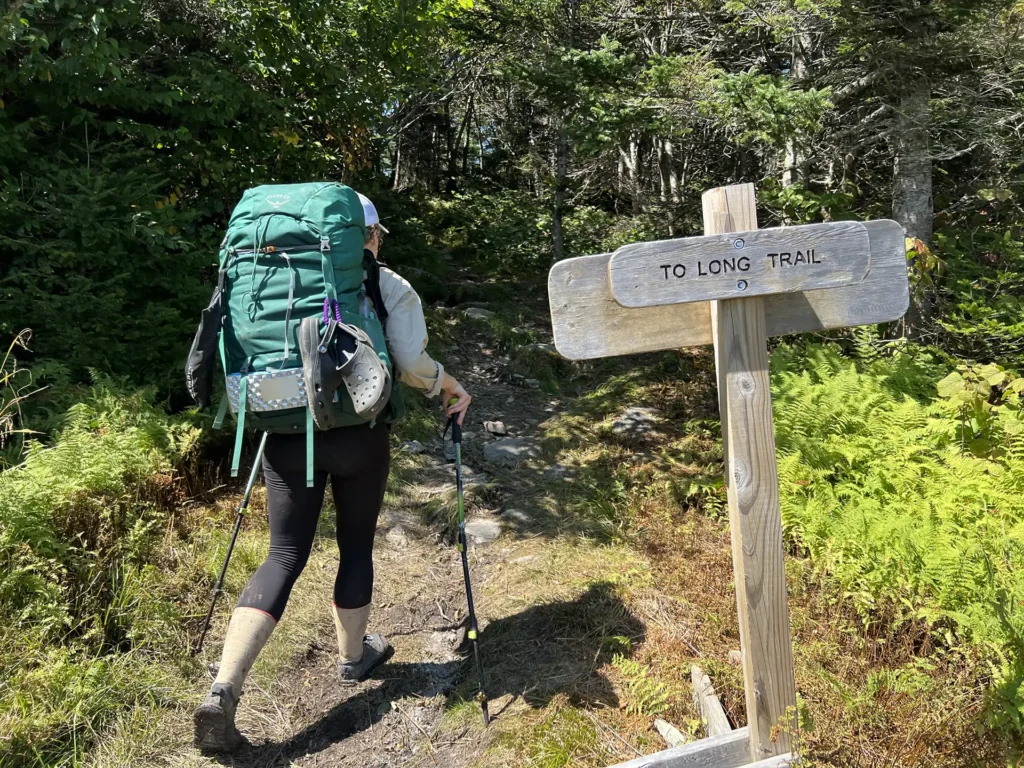
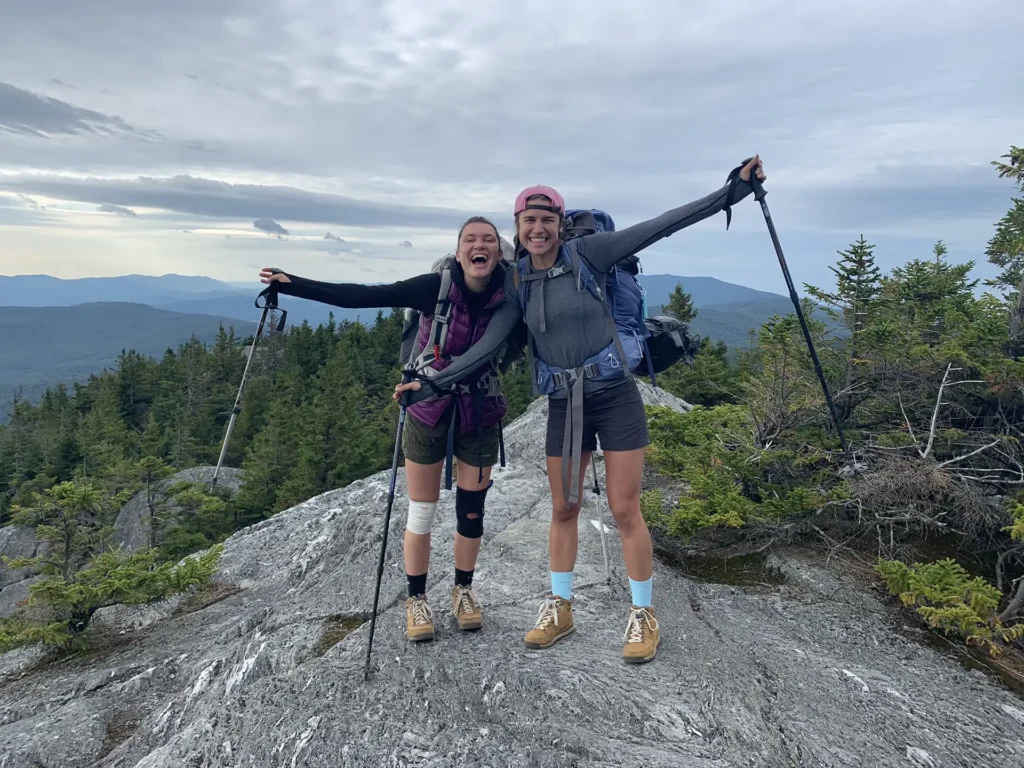
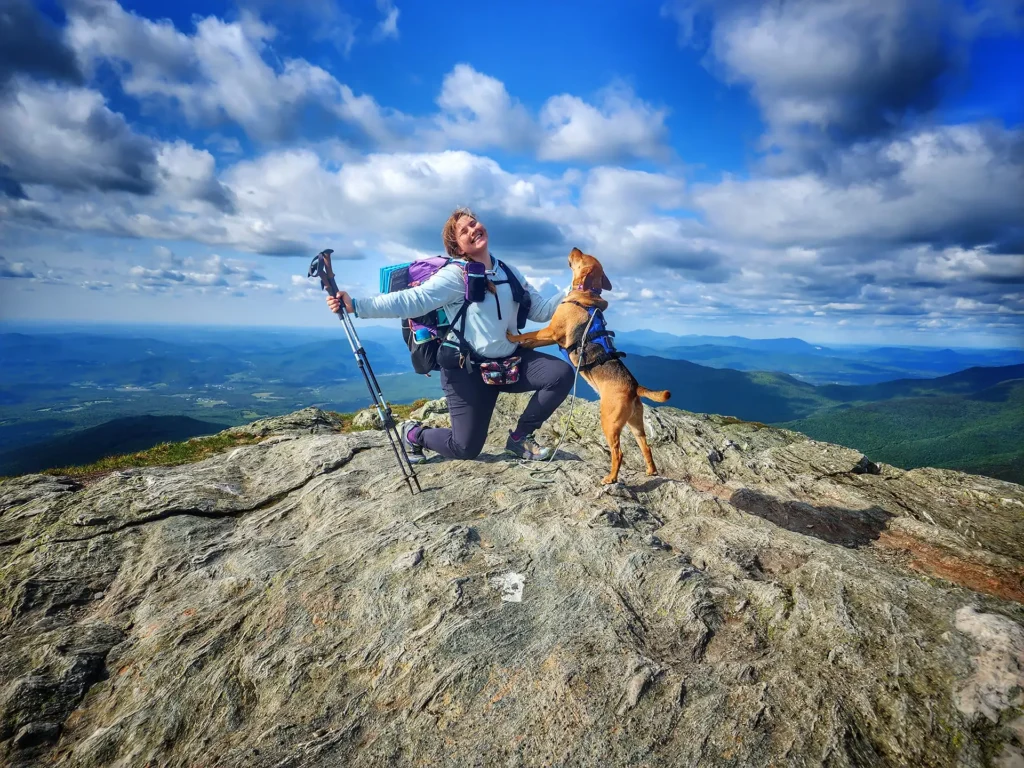
Anyone can find inspiration and challenge on the Long Trail. Day hikers, beginner and seasoned expert alike, can explore Vermont’s most beloved natural landmarks and summits. Backpackers can sleep in one of 72 free, rustic communal backcountry shelters or tent campsites throughout. And thru-hikers, also called End-to-Enders, can traverse the entire 272 miles over the course of a few weeks – or years.
Long Trail Overview
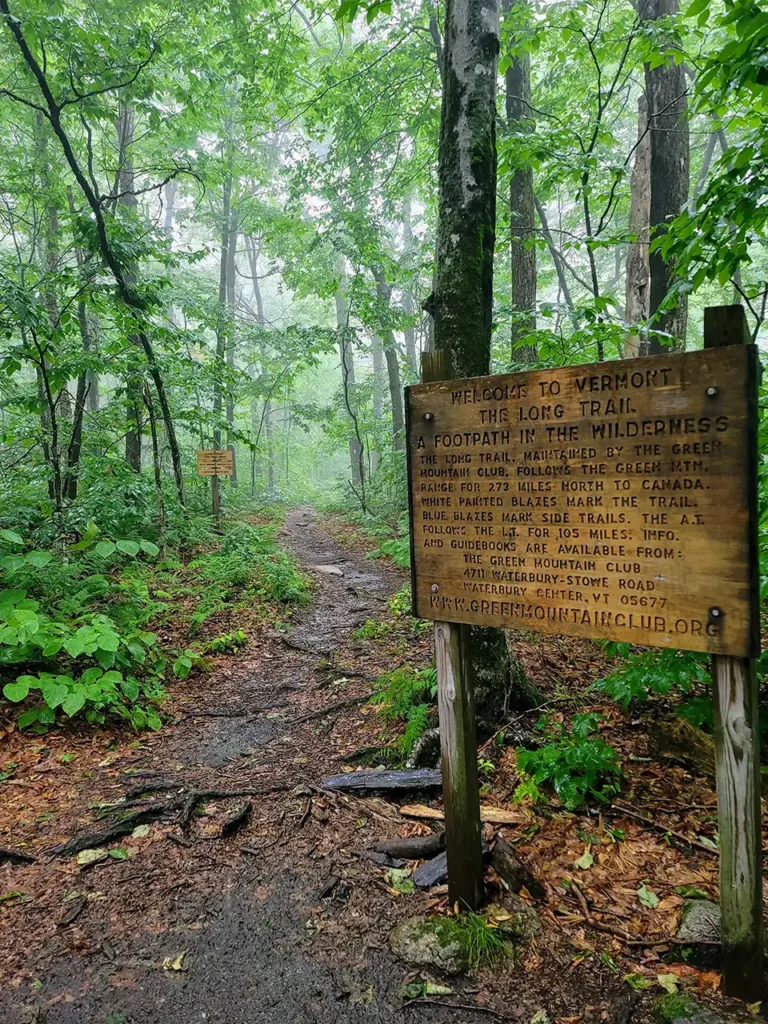
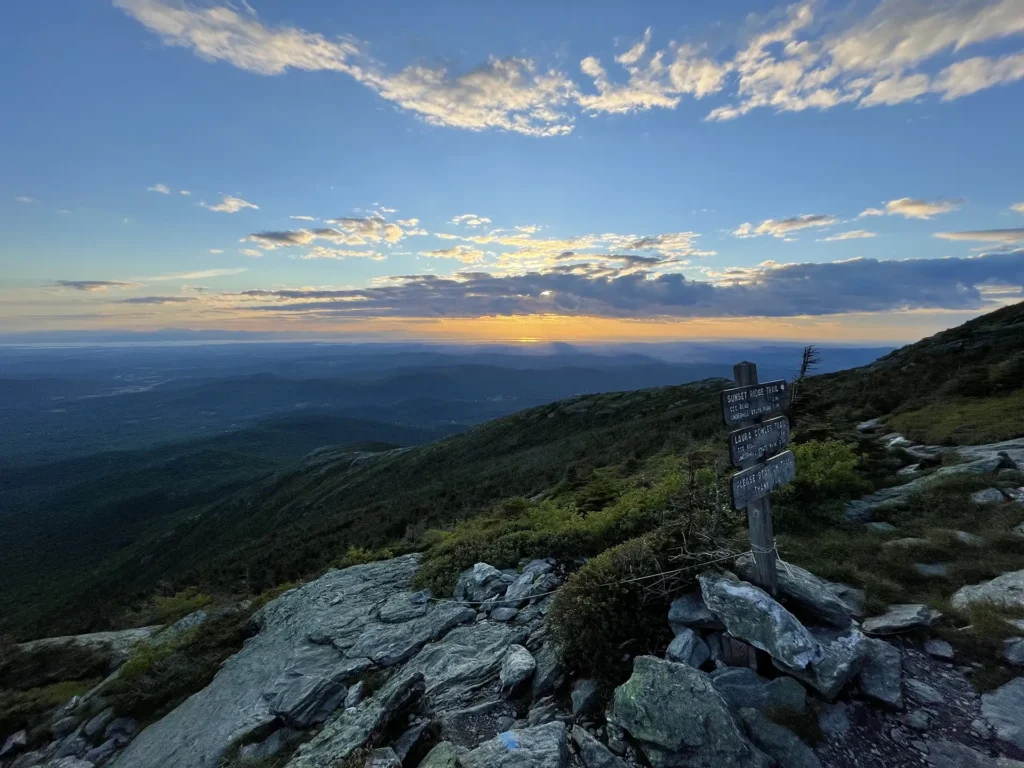
The Green Mountain Club is the steward of the Long Trail, which runs north-south 272 miles from Vermont’s southern border with Massachusetts to the Canadian border to the north. It is marked by white blazes painted on trees or rocks, and is intersected by 88 blue-blazed side trails. Overnight use is permitted at more than 70 free, communal shelters and campsites that include a composting outhouse and water source.
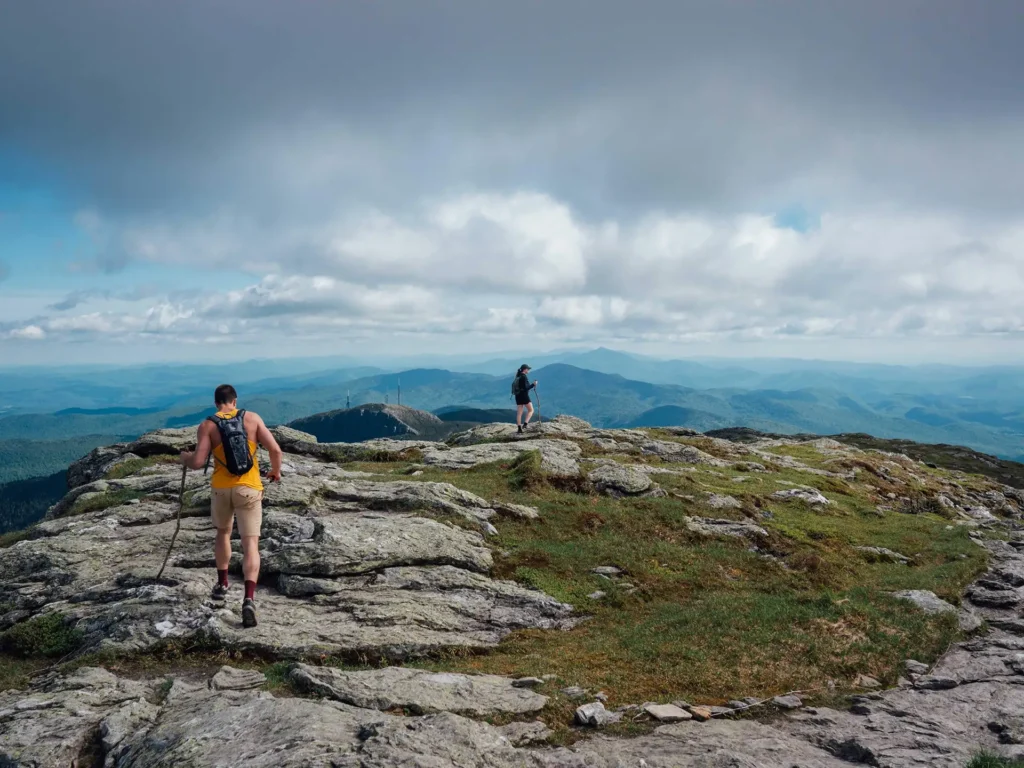
The Long Trail travels up and over all 5 of Vermont’s peaks over 4,000 feet, including Mount Mansfield, the highest point in Vermont. The southern 100 miles of the trail overlap with the Appalachian Trail, which then forks east to New Hampshire. The Long Trail also includes 23 miles of the North Country Trail, including its eastern terminus at Maine Junction.
Long Trail History
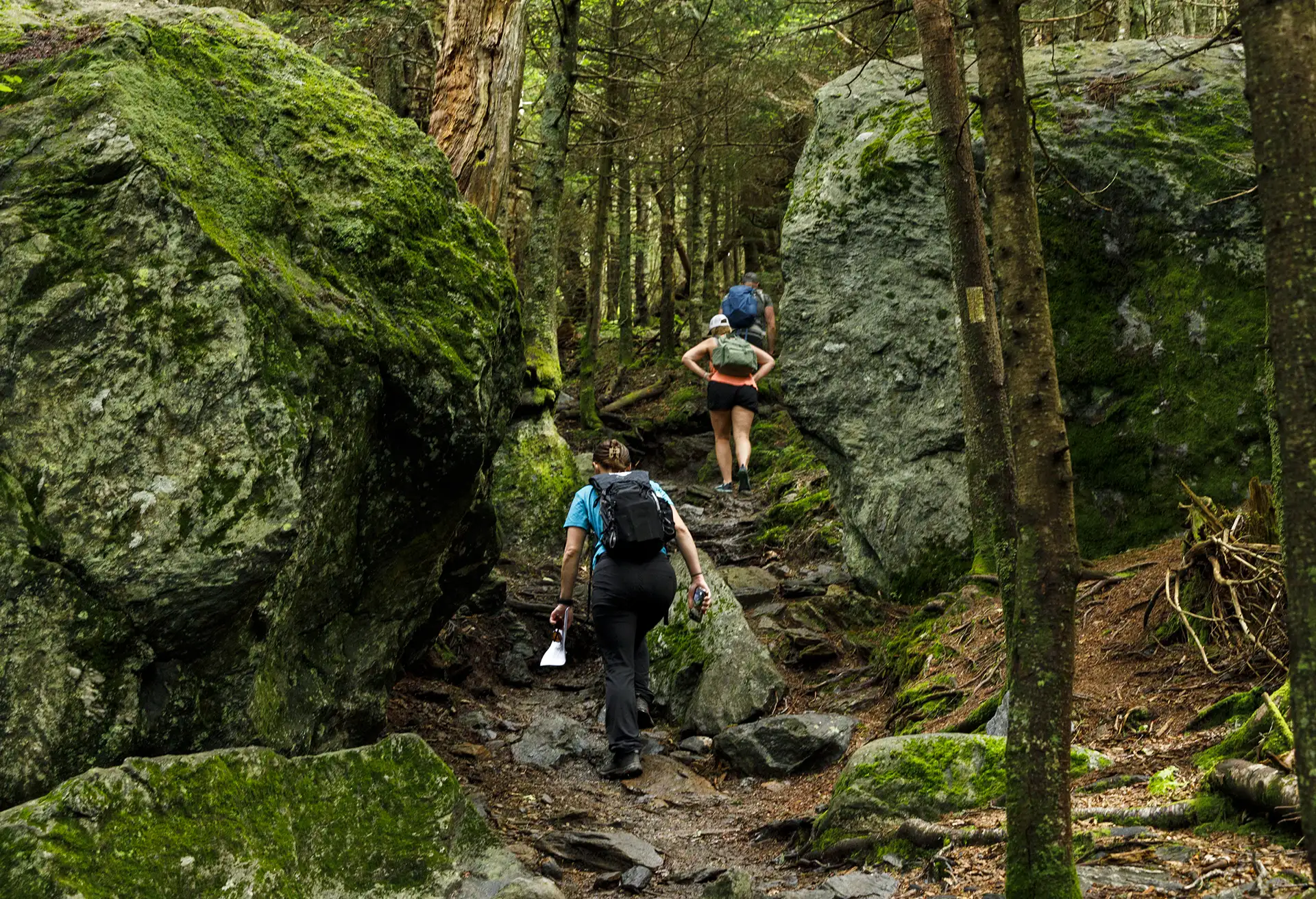
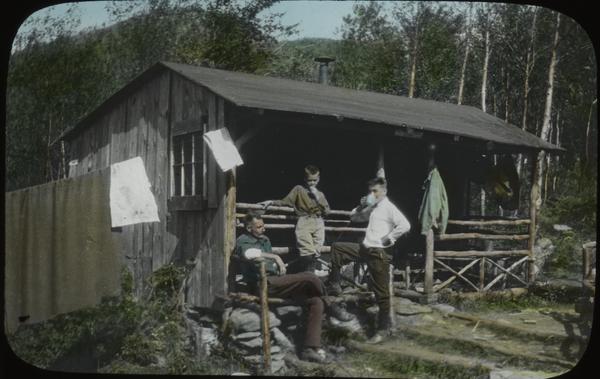
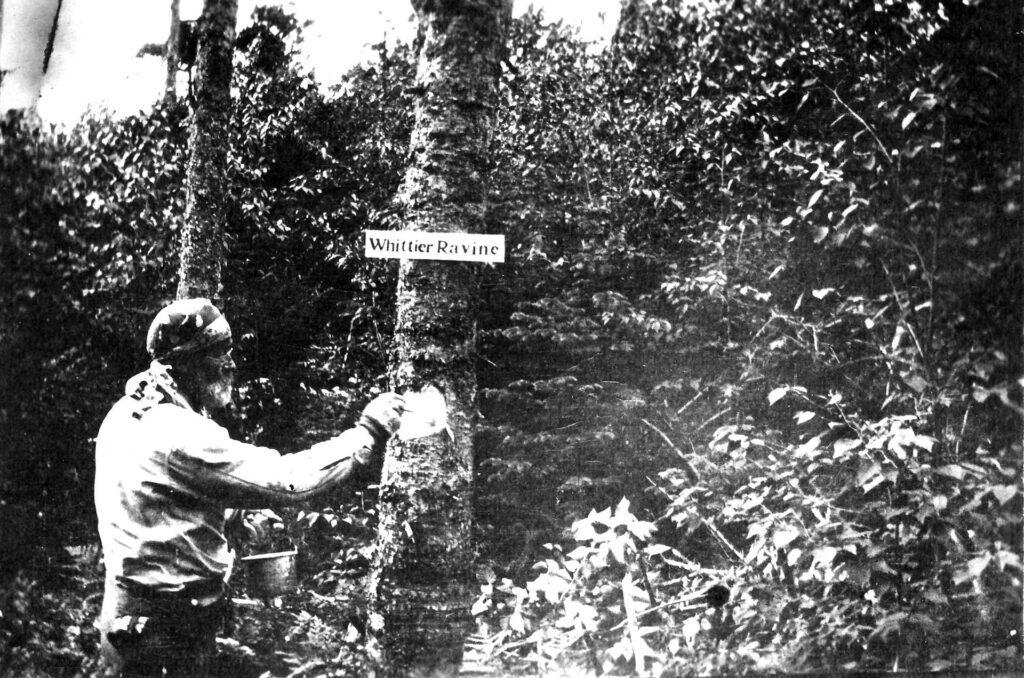
James P. Taylor, founder of the Green Mountain Club, had the original vision for a footpath that traced the spine of the Green Mountains. The first of its kind, the Long Trail is the oldest long-distance hiking trail in the United States, later serving as inspiration for the Appalachian Trail. In 1910, volunteers began the tedious work of cutting and building the first section of the Long Trail, from Camel’s Hump to Sterling Pond. They used hand tools and generally took the shortest, steepest route from valleys to summits, giving the Long Trail its steep reputation today. By 1927 the trail extended from the Massachusetts border to Jay Peak. In September 1930, the final link to Canada was completed, and the entire “footpath in the wilderness” was born.
The Long Trail Patrol, GMC’s professional trail crew, was formed in 1930 and continues to do large-scale improvement projects on the trail each year. In its early years, the route of the trail was determined by handshake agreements and crossed private and state land. Recognizing the risk to the trail’s future, GMC has been working tirelessly since the 1980s to conserve the land the Long Trail crosses and ensure it remains open for public access forever.
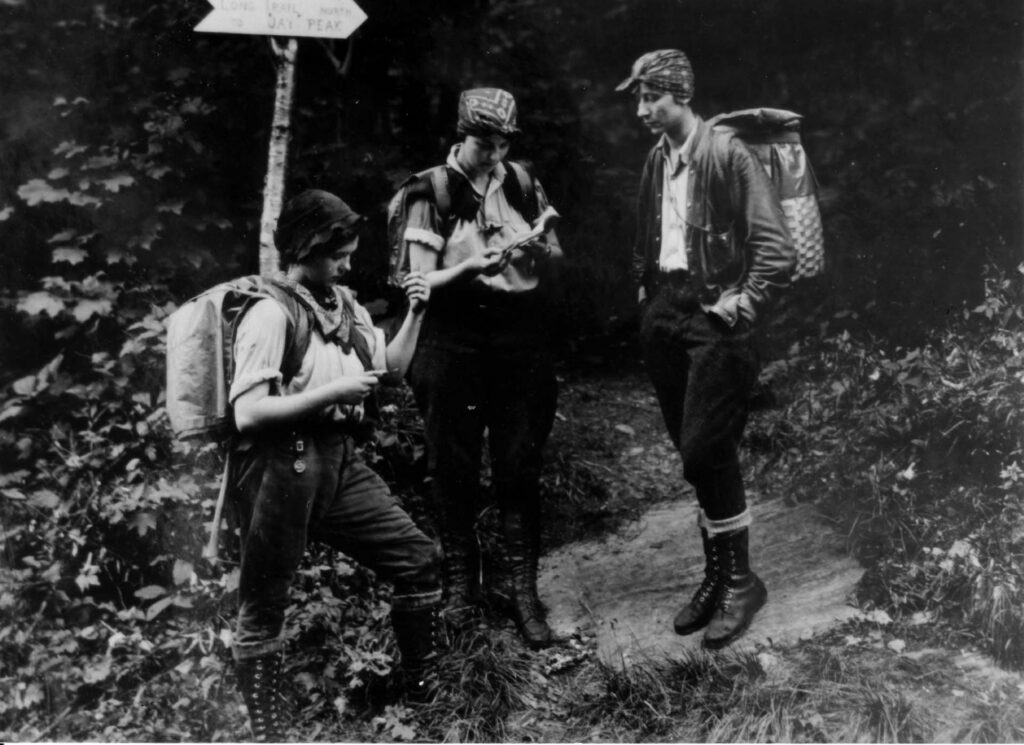
Over the decades, thousands of backpackers have traversed the trail. In the 1910s and 20s they wore leather boots, wool pants, and carried heavy tins of food and equipment in wooden pack baskets. Today, roughly 300 hikers complete the entire trail each year, many carrying ultralight, technical gear.

Get Connected to the Long Trail
Learn about current conditions, upcoming events, and inspiration resources for your next hike.