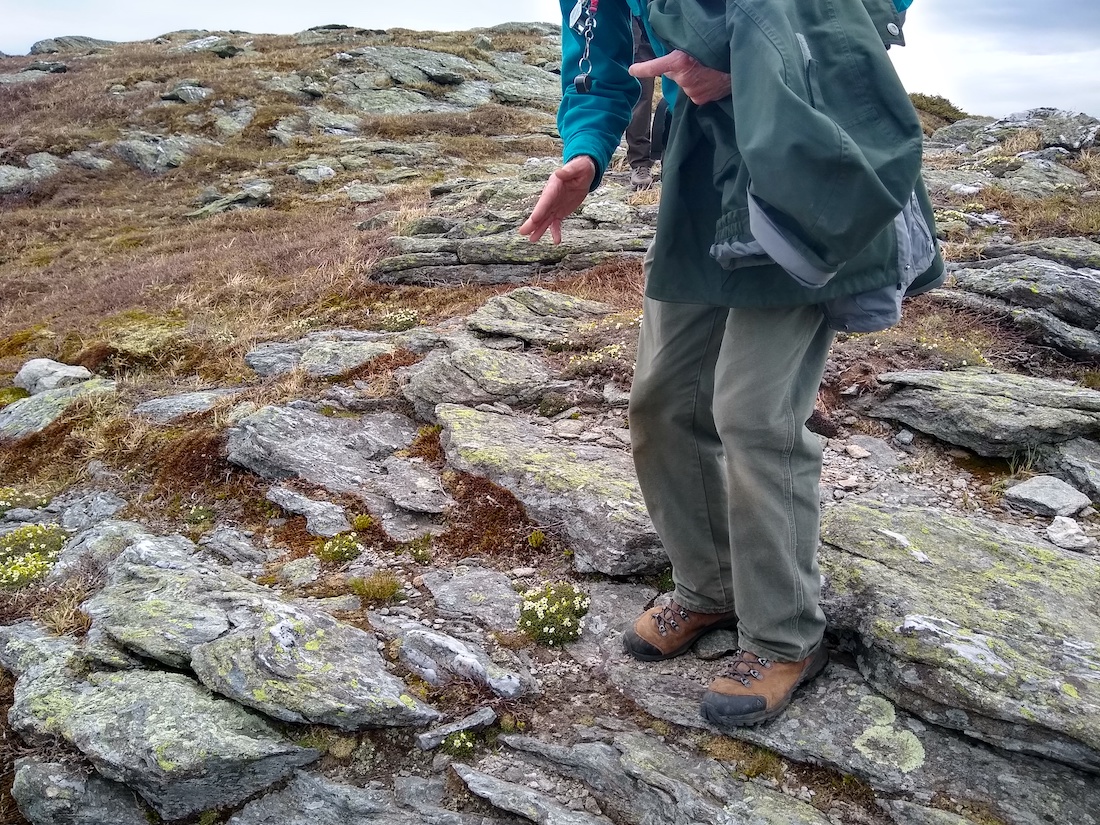
Spring is an excellent time to explore the natural world around us and celebrate plants and animals emerging again. But did you know your casual observations can contribute to scientific research projects all over the world? Citizen science refers to the public’s collaboration and participation in professional science projects, especially in the natural world. The most successful projects include data collection or analysis that require minimal training, and can be replicated on a large scale with lots of citizen participants. State Botanist Bob Popp Observes Diapensia on Mt. Mansfield, by Angie HilsmanCheck out the below citizen science observation projects, both global and local, and consider how your next outdoor adventure might contribute to scientific research!
Spring is also the time of mud season in Vermont, which means we avoid high-elevation trails in Vermont in favor of drier, more durable surfaces. Please keep mud season guidance in mind and start your citizen science journey in your own backyard!
Global Citizen Science Projects
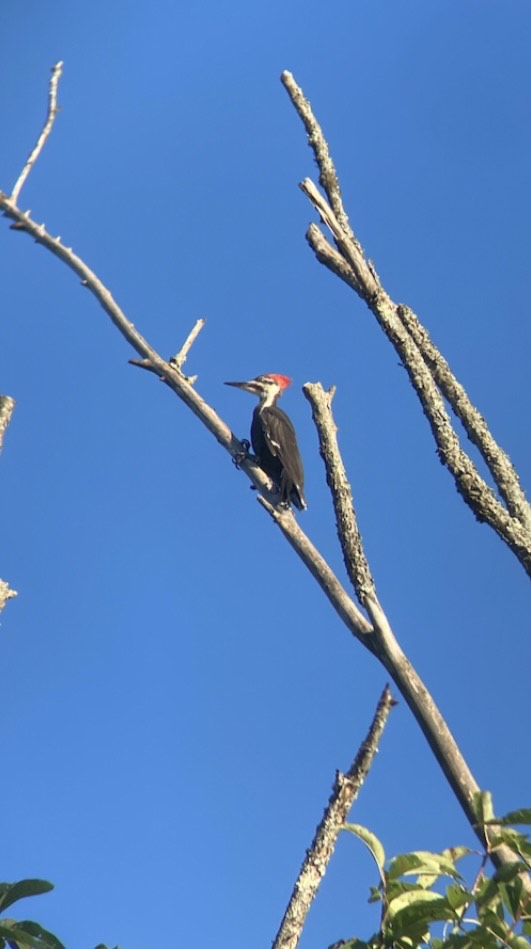
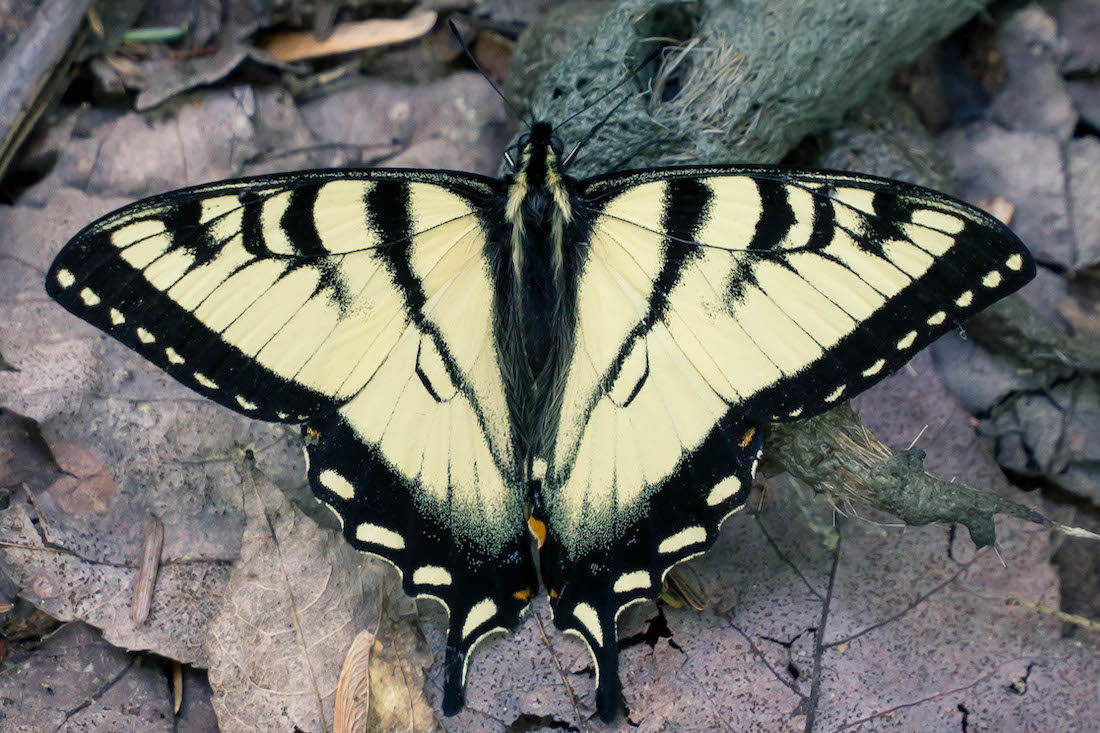
INaturalistinaturalist.org and iNaturalist appThis global observation database welcomes your sightings of mammals, birds, fish, insects, plants, fungi, anything living you can think of. The site connects you, the citizen scientist, to millions of naturalists and identifiers to help name and catalog your findings. There’s even a computer-based tool that will automatically identify your photo, though it’s not 100% accurate. eBirdeBird.org and eBird appNigel Bates spotted this Pileated Woodpecker at GMC Headquarters in Waterbury Center.eBird is an effort from the Cornell Center for Ornithology that helps birders collaborate on sightings to help inform conservation and education. Birders create or use checklists and record when, where, and how they saw or heard birds, then share those observations with the world. It allows scientists to track bird’s migration patterns on a global scale, in real time. Rare species sightings require photographic documentation and are checked by a group of experts. If you’re ever at the GMC headquarters in Waterbury Center, you can join and contribute to the GMC Headquarters HotSpot! EButterflyebutterfly.org onlySwallowtail butterfly by Michelle TatumSponsored by the Vermont Center for EcoStudies, this international data-driven project requires photos and another community member to confirm your butterfly identifications. It’s a much smaller community than eBird or iNaturalist, but the observations help achieve the same goals of tracking butterfly biodiversity and changes over time.Community Snow Observations and Mountain Rain or Snow, via NASAMountain Hub app; rainorsnow.orgThere may be a few more weeks this spring to contribute observations of snow depth and precipitation. The Community Snow Observations uses the Mountain Hub app and asks citizen scientists to measure snowpack using an avalanche probe. Mountain Rain or Snow asks observers to record the type of precipitation that falls and at what temperature to help gather data about mountain weather patterns.
Localized Citizen Science Projects
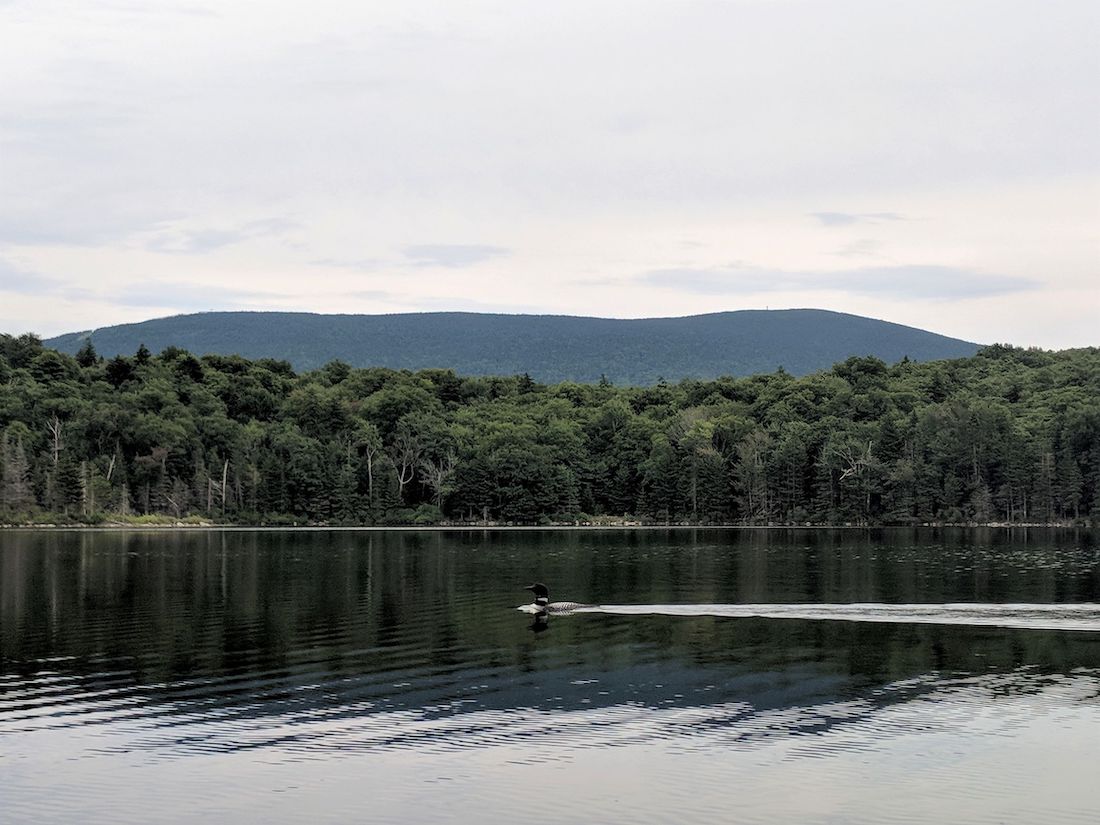
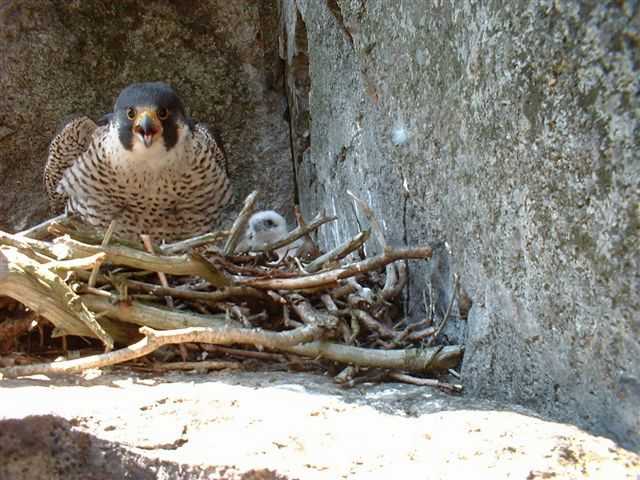
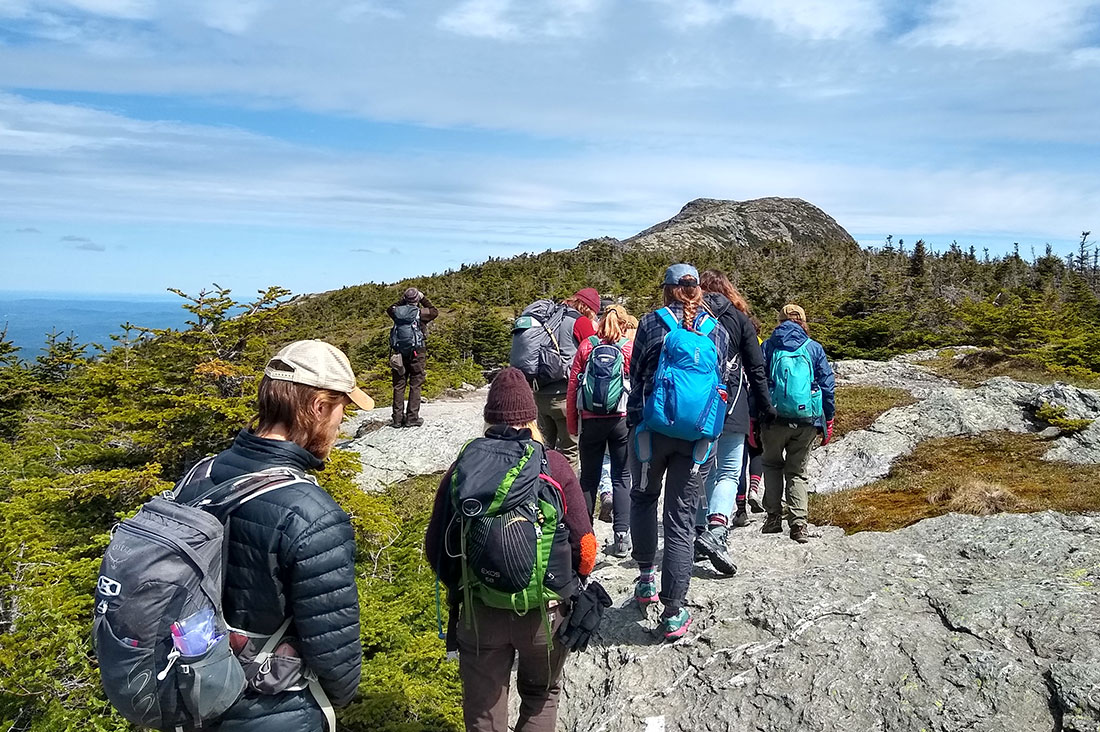
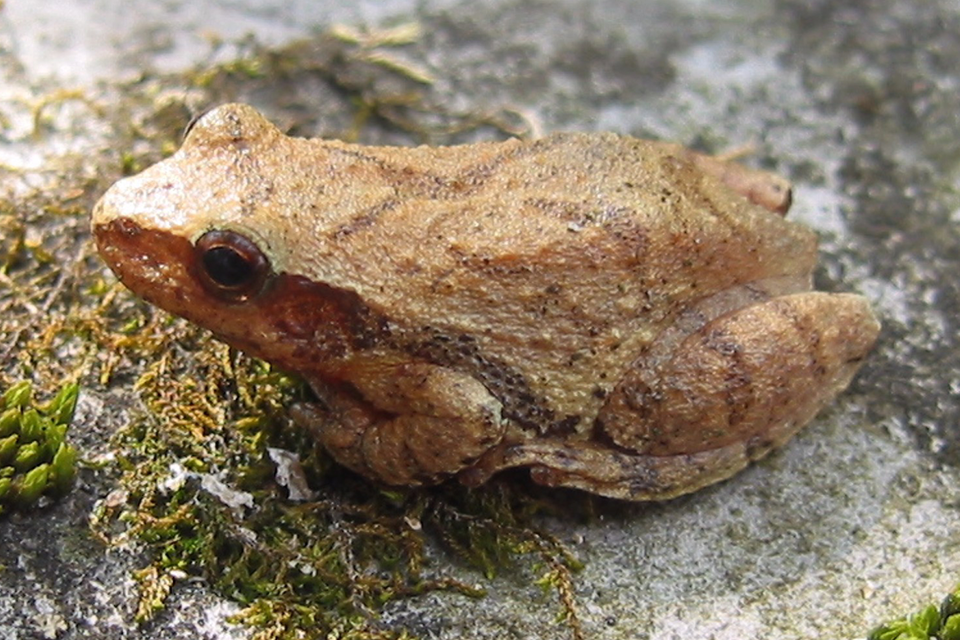
You can get involved in citizen science right in the Green Mountains, alongside Green Mountain Club caretakers, volunteers, and partners. Loonwatch from the Vermont Center for EcostudiesLoon on Stratton Pond by John PlummerOn the third Saturday in July (July 17, 2022) Vermonters fan out across the state to document and track breeding loons. GMC’s caretakers at Little Rock Pond and Stratton Pond keep an eye out for the majestic birds throughout the field season, and you can sign up for the Adopt a Lake program to track loon activity in the summer. Peregrine Falcon Monitoring and Management Project from Audubon VermontPeregrine falcon and nest. Photo by: Paul CormierStarting in very early spring, peregrine falcons return to their cliffside nests to lay eggs and raise fledglings. The peregrine falcon was labeled endangered in the 80s and 90s, but conservation efforts have allowed the population to recover. However, their continued success depends on careful monitoring and protection of their nests. Falcons will abandon their nests if disturbed, so GMC joins other outdoor organizations in Vermont to close trails near nesting sites and educate the public about protecting this bird population. Contact Margaret Fowle to adopt a nesting site and start monitoring.Northeast Alpine Flower Watch, via iNaturalistGMC caretakers continue their alpine ID training along the Mansfield ridgeline. Photo by: Angela HilsmanThis initiative is a partnership with GMC, the Adirondack Mountain Club, Appalachian Mountain Club, and Baxter State Park in Maine. It invites citizen scientists to photograph and record the phenology (timing of biological events such as flowers blooming) of fragile and delicate alpine plants. You can take part in the flower watch on your next hike to the top of Mt. Mansfield, Camel’s Hump, or Mt. Abe — just remember to observe from a distance and stay on the rocks!Amphibian Road Crossing Program with the North Branch Nature CenterSpring Peeper. Photo courtesy: Vermont Reptile & Amphibian AtlasAmphibians, such as frogs, toads, newts, and salamanders, migrate from upland winter habitats to lowland wetlands each spring. They typically emerge on warm, wet nights and cross busy roads to access their breeding grounds. Citizen scientists can observe and report amphibian crossings near them, or even stand guard to ensure the creatures’ safety as they cross the road. North Branch Nature Center hosts other community-driven science projects throughout the year.Readers, what other citizen scientist projects are you involved in that we missed? Comment below or send an email to telling us about your favorite citizen science projects.This article first appeared in the Spring 2022 Long Trail News and was written by Nigel Bates.
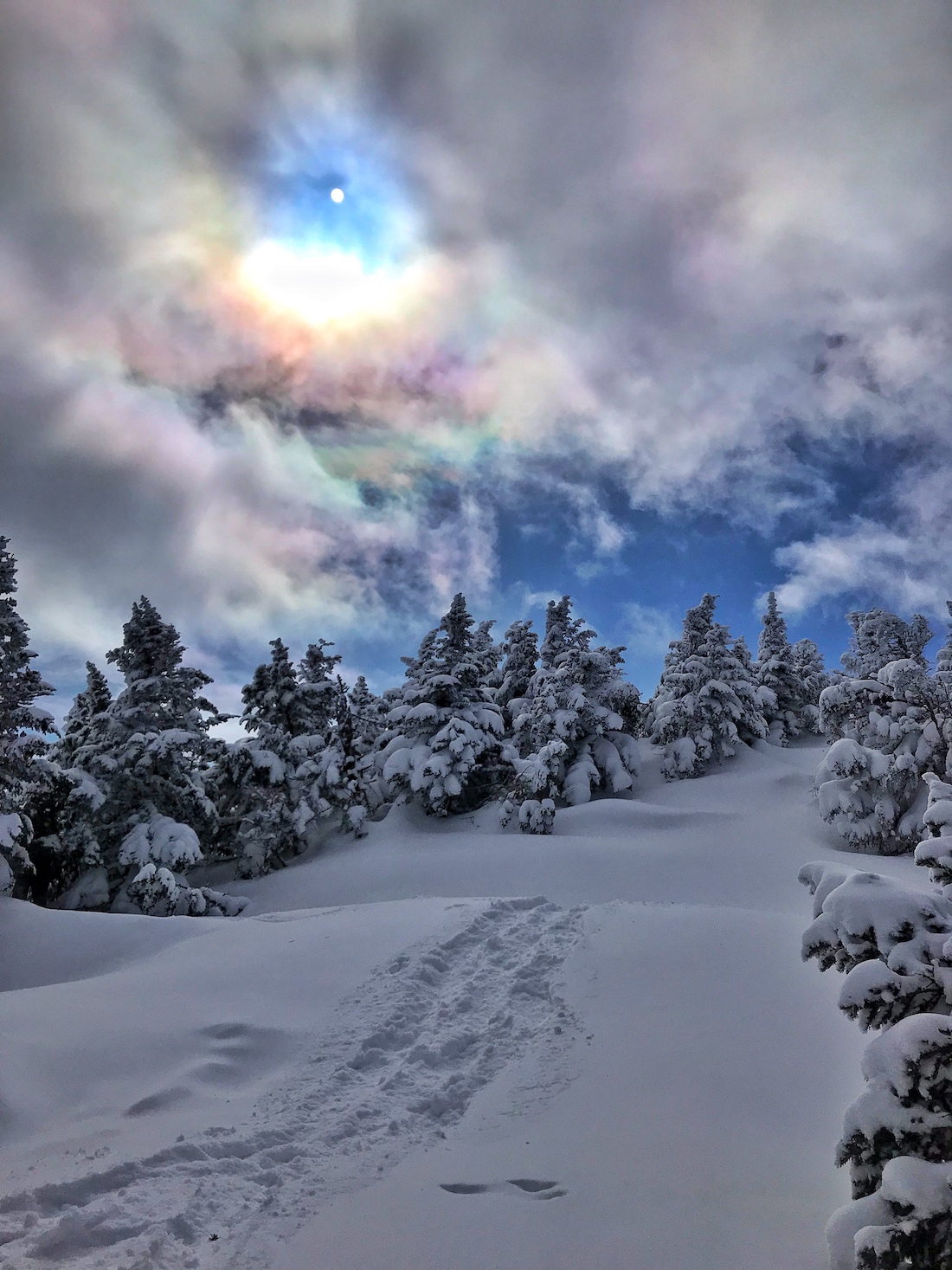 There may be a few more weeks this spring to contribute observations of snow depth and precipitation. The Community Snow Observations uses the Mountain Hub app and asks citizen scientists to measure snowpack using an avalanche probe. Mountain Rain or Snow asks observers to record the type of precipitation that falls and at what temperature to help gather data about mountain weather patterns.