
Page Type: Be Prepared
-
Get Started
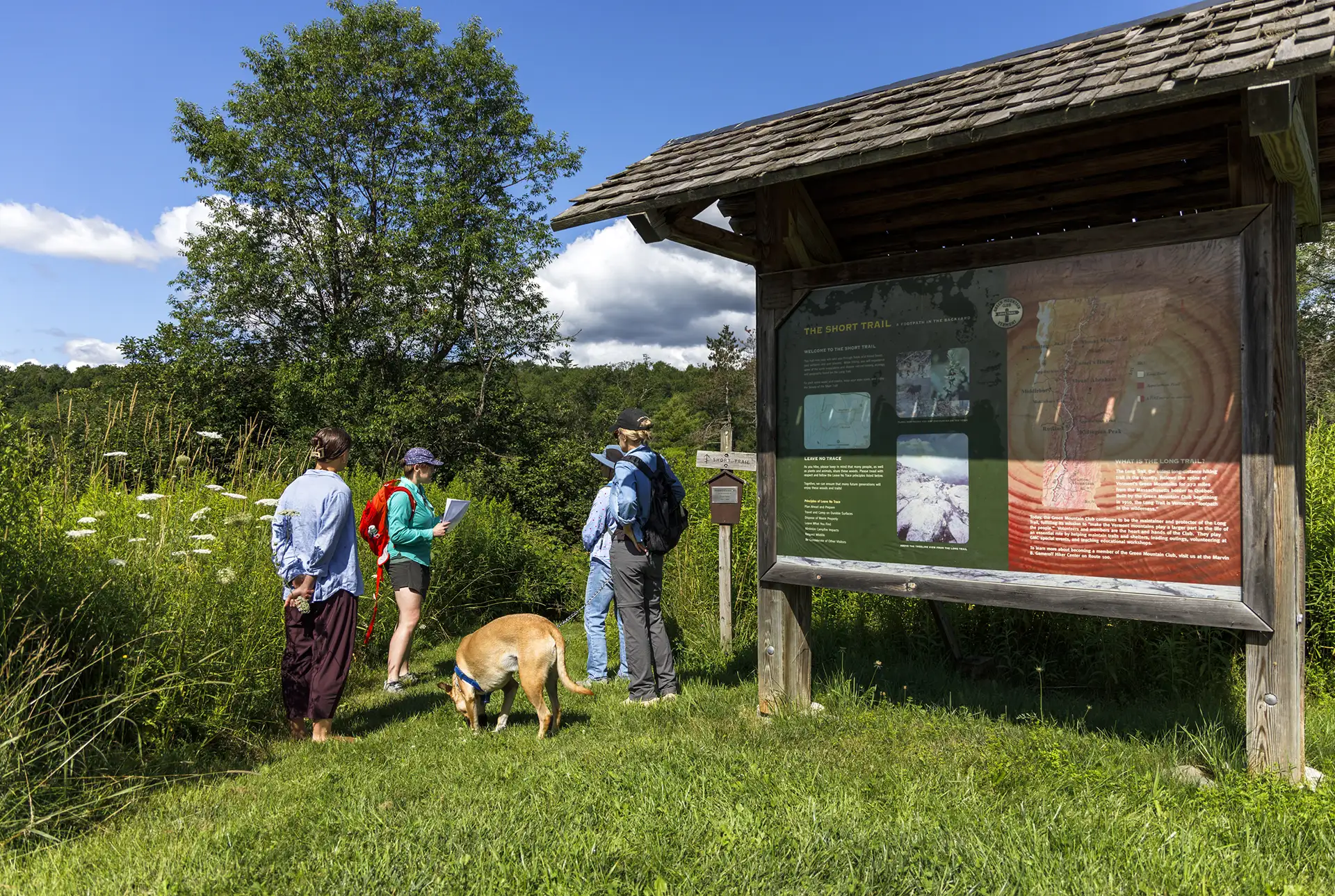
Choose a Hike Choosing a hike often starts with a destination in mind, such as a challenging summit or gentle stroll to a viewpoint. It’s also important to consider trail length, elevation gain, surface, and current conditions. Hiking, with its possibly steep ups and downs, and rocky, rooty, or muddy surface, will always take longer than a walk of a similar…
-
Plan and Prepare
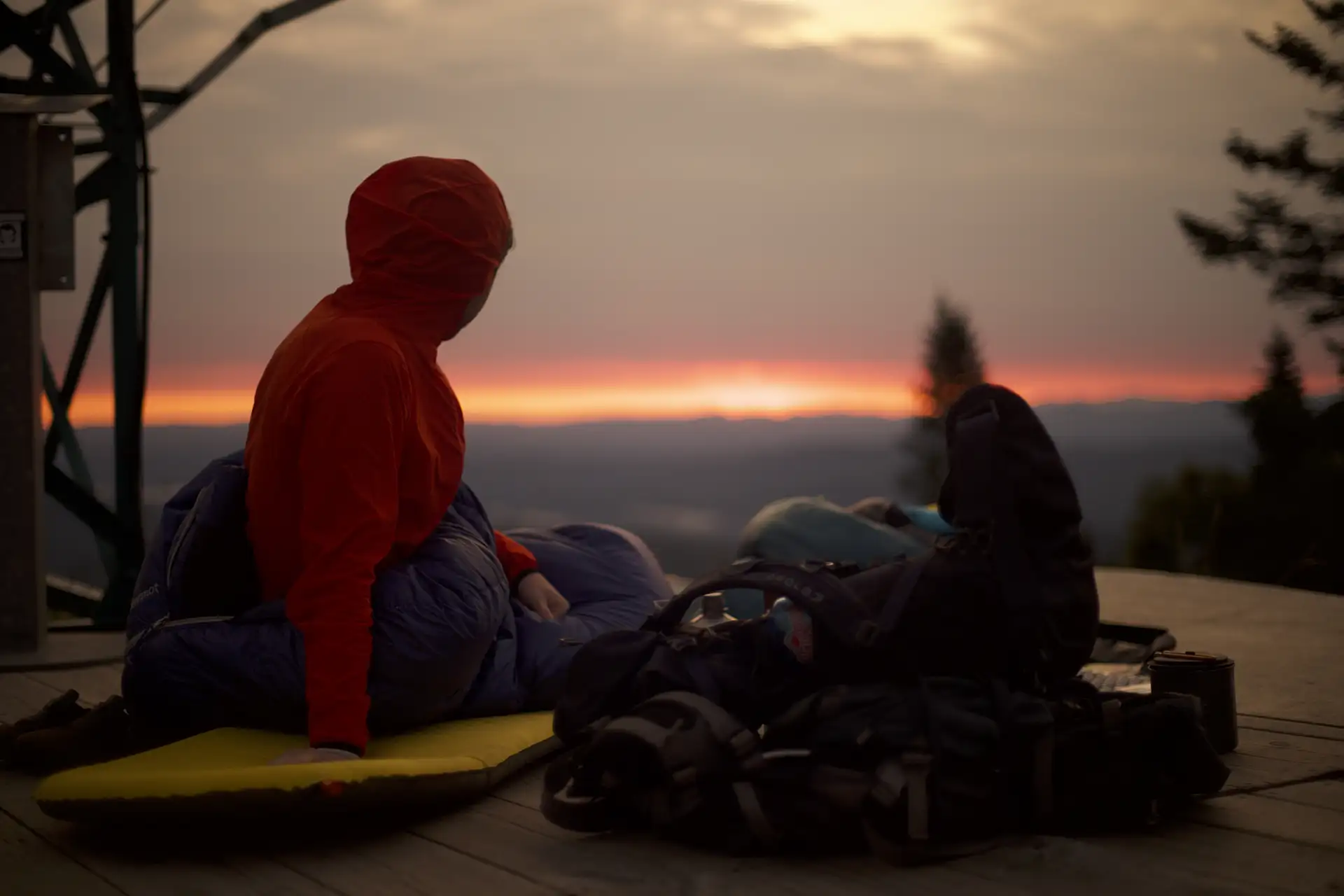
Staying Safe When entering the backcountry, your safety is of utmost importance. You are responsible for proper preparation and safety planning, but we have the resources you need to get started. Learn about the Ten Essentials, weather and wildlife considerations, and Search and Rescue in Vermont. Trail Updates The trail is constantly changing. Stay up…
-

Hiking 101 Series
Upcoming Events and Workshops Hiking 101 What you need to know before your first hike in the woods. Backpacking 101 Ready to sleep in the woods? Here’s how to eat, sleep, and carry what you need. Winter Hiking 101 Winter hiking requires an extra level of preparedness and caution. Hiking with Babies & Toddlers 101 Want to get your family…
-
Hiking in Groups
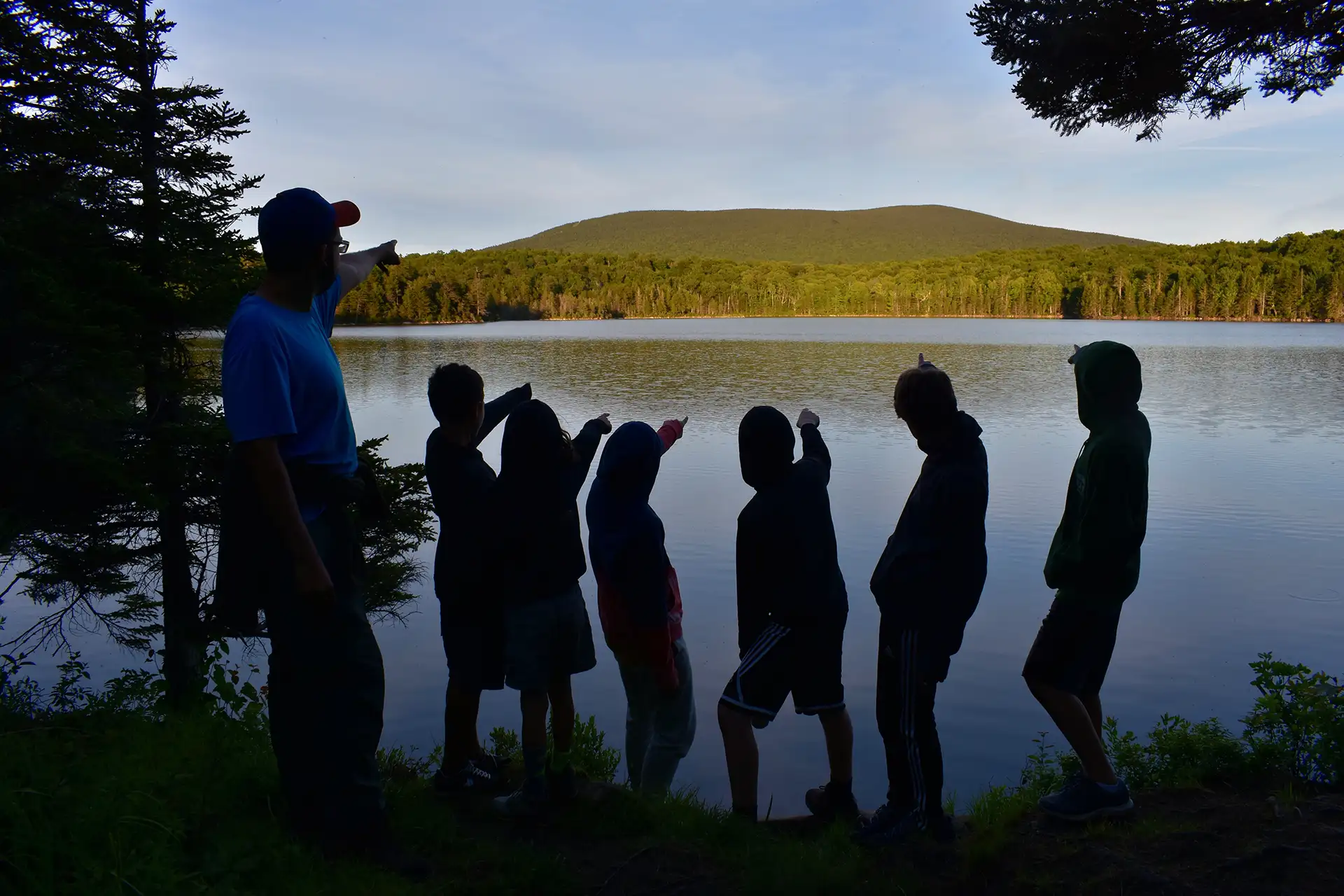
Group Hiking Guidelines Groups can minimize their impacts by following these guidelines:
-
Leave No Trace
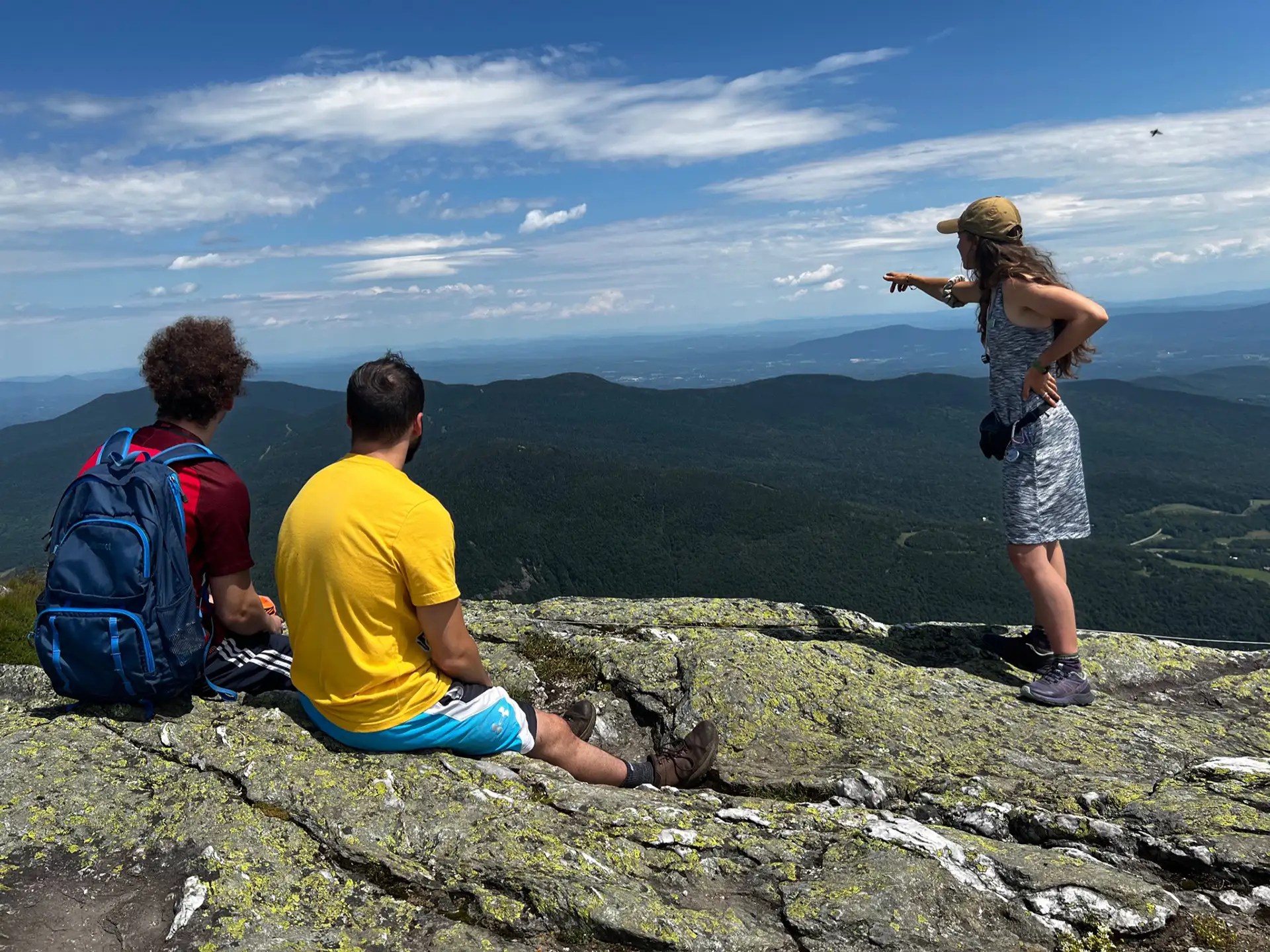
What is Leave No Trace? The 7 Principles of Leave No Trace are: Why does Leave No Trace matter? While you may be just one hiker, thousands of people use the trails every day, and the actions of a few can add up. By practicing the ethos of Leave No Trace, you are joining a collective mission to protect…
-
-
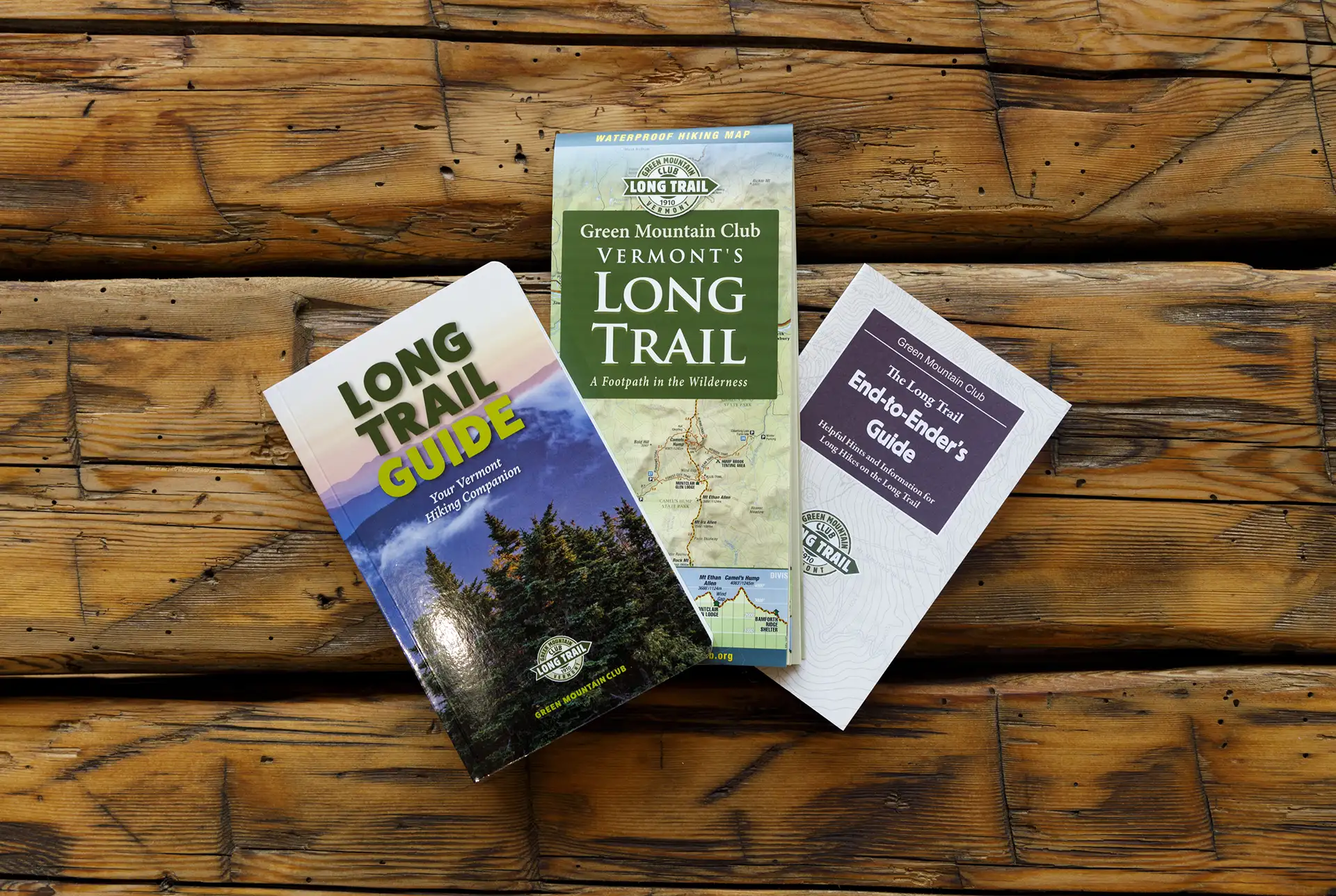
Guidebooks, Maps & More
In 1917, GMC published the first guidebook to the Long Trail as a resource for the partially built trail. For more than 100 years, GMC has faithfully updated and published this reliable guidebook, now expanded to cover the 272-mile Long Trail, its side trails, and the entire Appalachian Trail in Vermont.
-
Trail Updates
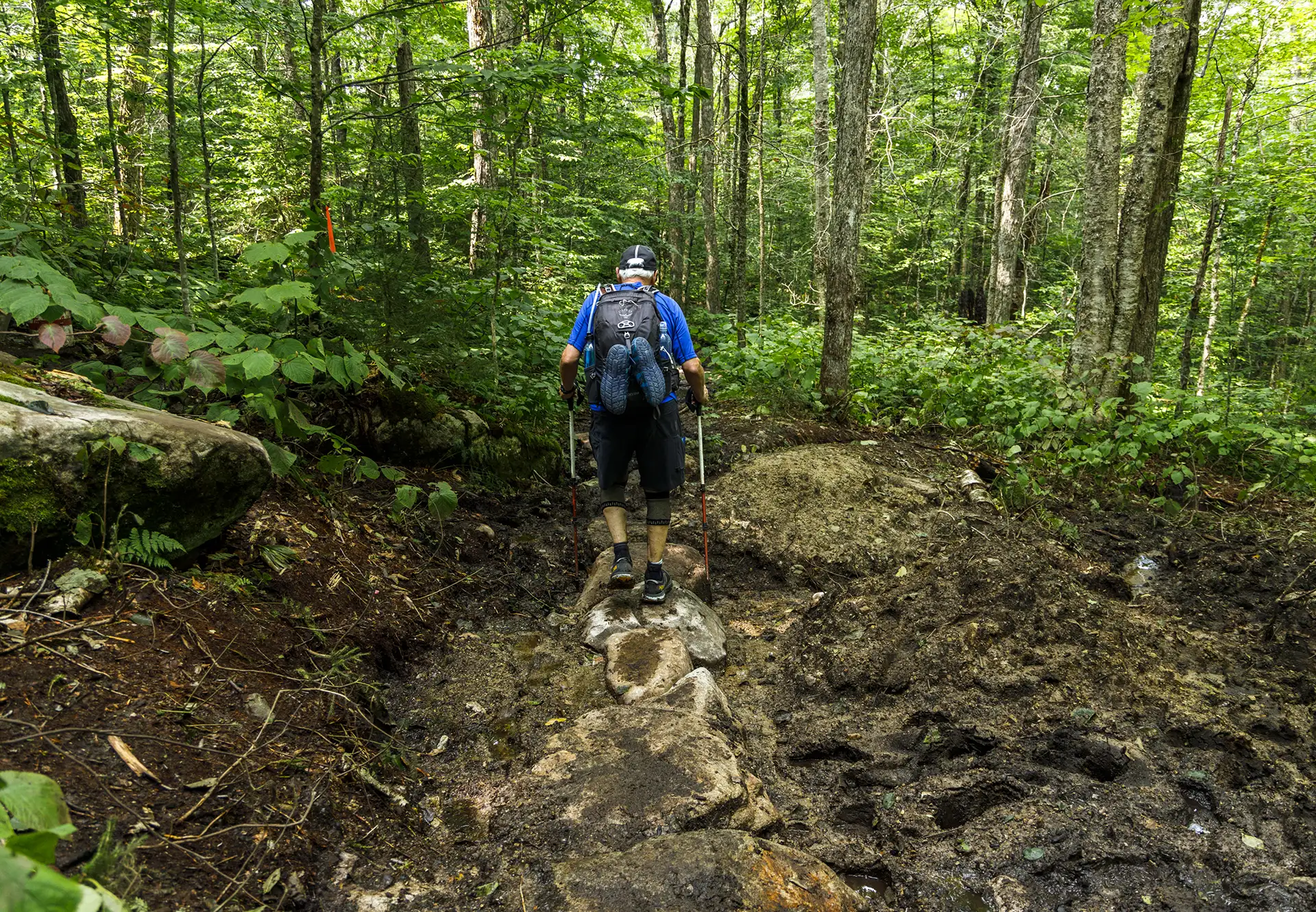
We encourage hikers to share their trail observations with the club by calling or emailing the visitor center. Please be aware that all such trail updates sent to the club or posted in its Facebook group may be used and publicized on this page with the source cited. Trail Updates and Alerts Timely, important alerts…
-