
Stay Safe in all Weather Conditions
Weather in Vermont can vary widely, especially in the mountains. Exposure to heat, humidity, rain, wind, snow, cold, and/or thunderstorms can all pose a risk to the hiker. Review this page to learn about common weather conditions and how to prepare for them.
Summer Weather
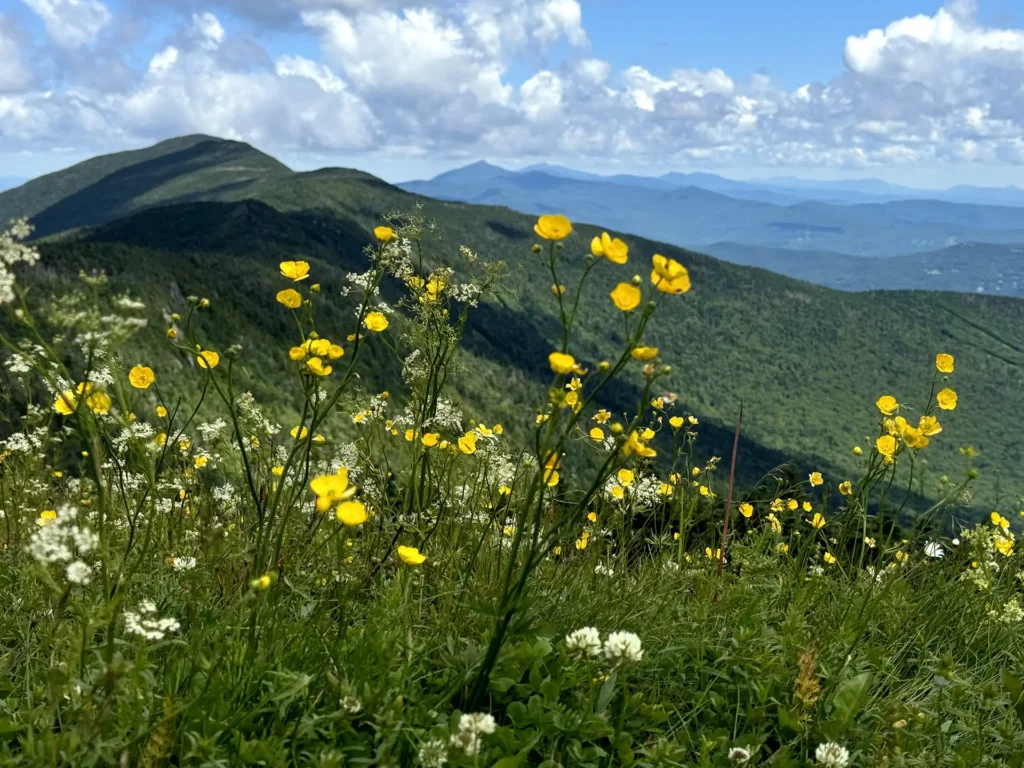
Hiking Season runs unofficially from Memorial Day Weekend in May to Indigenous Peoples’ Day weekend in October. Temperatures can vary, from cool and wet to hot and humid. Keep in mind that temperatures can drop as much as 5 degrees per 1,000 feet of elevation gain. High temperatures can reach into the high 90s with humidity to match, which means heat illness is possible. 40-50 degrees and rainy can be particularly dangerous weather for hypothermia.
Winter Weather
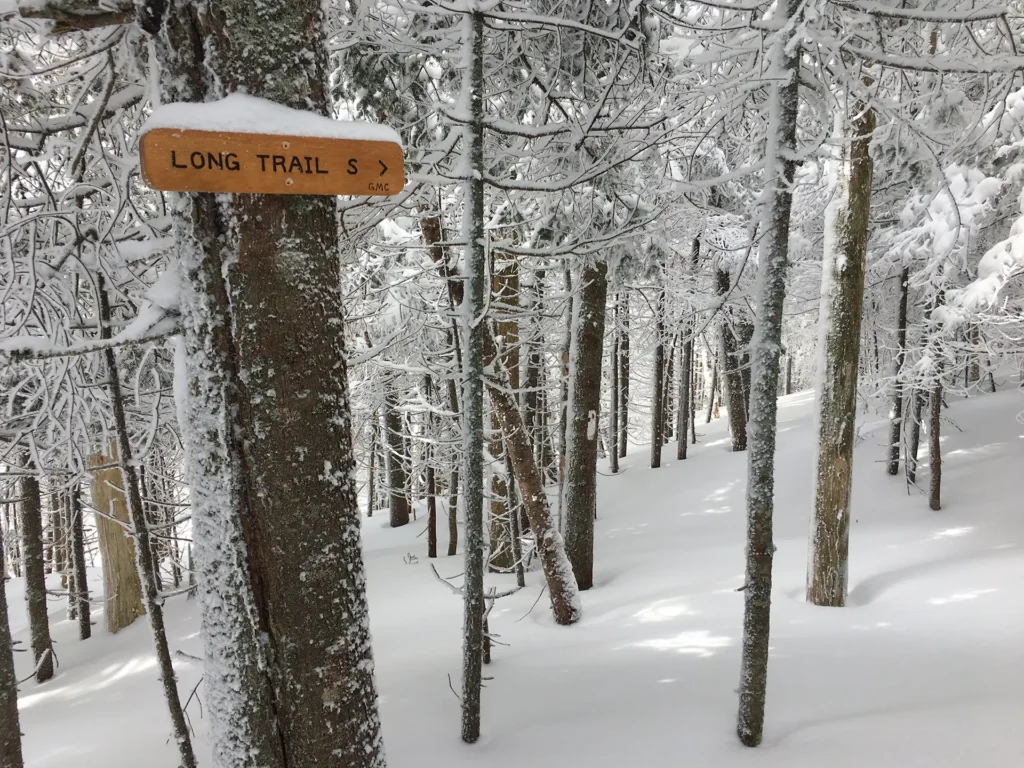
Winter hiking requires proper preparation and understanding of the potential dangers. Snow and ice can grace the mountains from October through June, and winter conditions exist in the mountains when it’s warm and dry at the trailhead. Temperatures can drop as much as 5 degrees per 1,000 feet of elevation, and windchill factor is multiplied on exposed summits.
Winter also brings slippery trails, which can cause injury, and trails are harder to follow, so the risk of becoming lost is higher.
Always check current mountain weather forecasts, leave your hiking plan with a trusted person, and do not be afraid to turn around if conditions are unfavorable. The mountains will always be there another day.
Shoulder Season (Spring and Fall) Weather
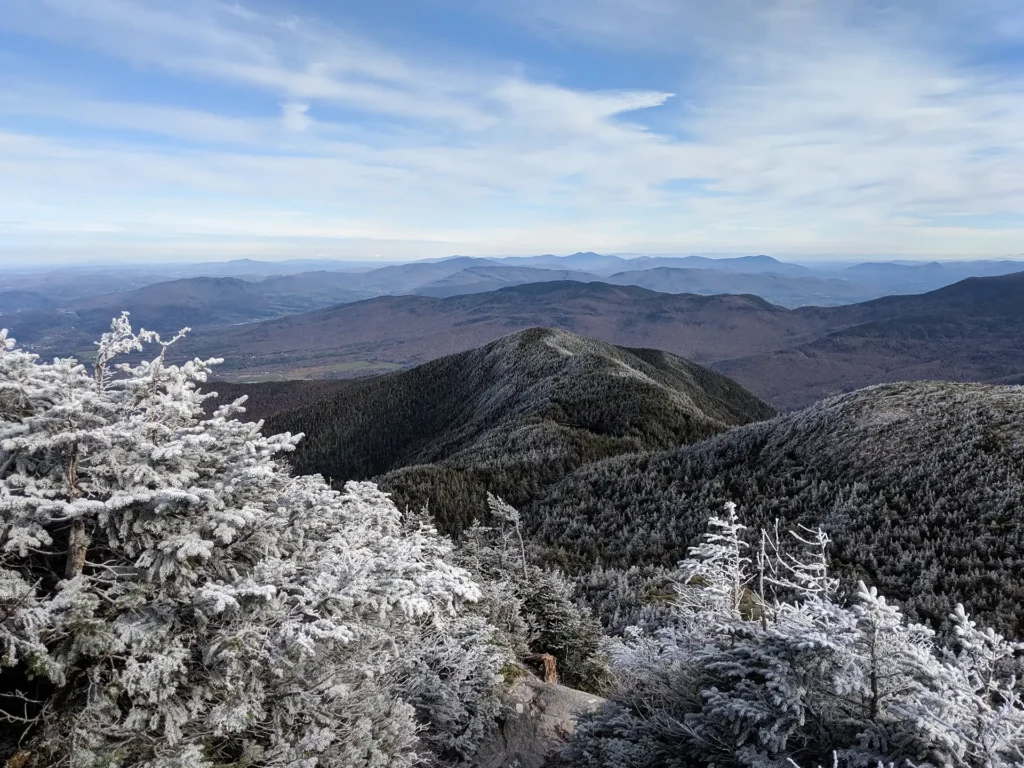
While lovely for hiking, shoulder seasons can be deceitfully dangerous to the unprepared hiker, as temperatures at higher elevations are chilly and daylight is minimal.
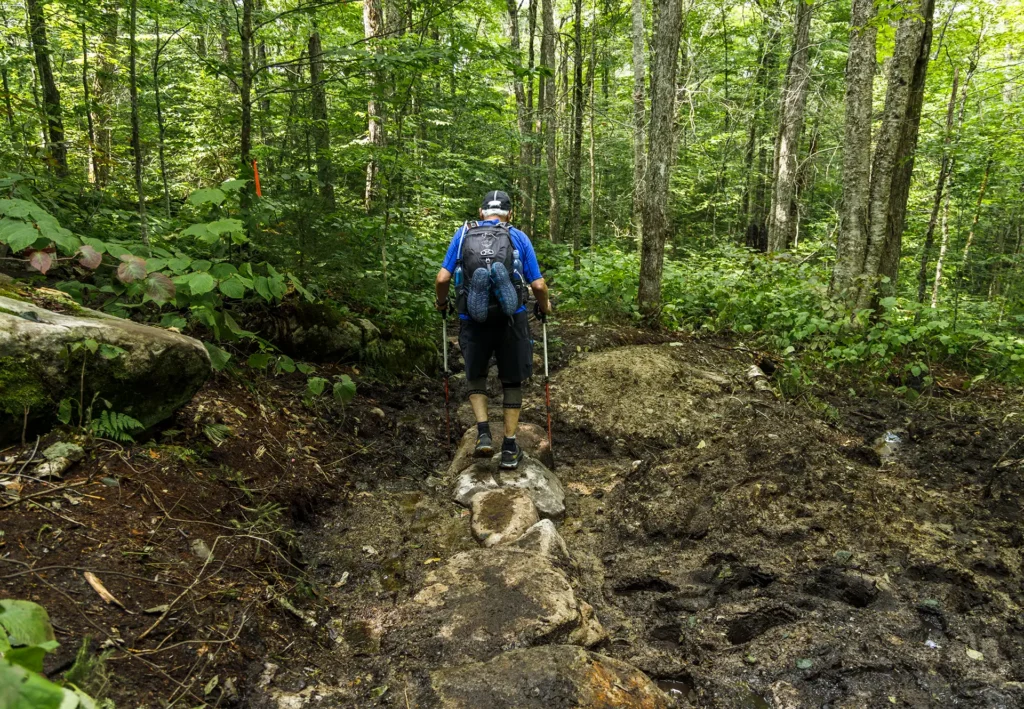
In the spring “mud season” high elevation hiking is discouraged, as footsteps can cause erosion on the melting and muddy trails.
In fall, sunny valleys can give way to cold, snowy, or icy climbs. Fallen leaves are slippery and can obscure the trail. Darkness falls earlier and earlier. And it’s hunting season, so hikers need to take precautions in the woods, which are shared with hunters.
Special Weather Related Risks
Hypothermia is a dangerous condition caused by the cooling of the body’s core temperature due to heat loss. It can occur year-round, not just in winter. Rainy, windy days between 40 and 50 degrees Fahrenheit are often referred to as “hypothermia weather,” and are common in Vermont’s mountains.
Prevention is key. Eat and drink plenty, and dress in layers: moisture-wicking base layers, insulation, and a windproof, waterproof shell. Regulate your temperature by pacing yourself and adjusting layers as needed.
Symptoms of hypothermia include poor judgment, confusion, unsteady coordination (e.g., difficulty fastening clothing), slurred speech, uncontrollable shivering, and extreme fatigue. Early signs include difficulty keeping fingers and toes warm.
If caught early, hypothermia is treatable. Protect the person from wind and get them into warm, dry clothing, including a hat. Provide food, water, and keep them moving. If they can walk, encourage them to keep walking. If rewarming is necessary, place them in a pre-warmed sleeping bag.
Injury from lightning, although fortunately rare, is a serious risk to hikers. Whenever there is a threat:
- avoid open summits, ridges, and fields;
- if in the forest, seek an area amid shorter trees;
- avoid wet gullies and crevices and stay out of small depressions where ground currents may travel;
- stay out of small caves (large, dry ones are usually good, however);
- sit or crouch on insulating objects, such as a dry sleeping bag or pad, making yourself as small as possible; and
- set aside exposed metal objects
About 70 percent of people hit by lightning survive. If a person is still conscious and breathing after being struck, the chance of survival is excellent. Even if a lightning victim is not breathing or has no pulse, prompt and effective CPR may save him or her. Continue CPR as long as possible; there is a much greater chance of survival in this situation than in most other cases of cardiac arrest.
Heat exhaustion and its more severe cousin, heat stroke, are extremely dangerous conditions in the backcountry. Heat can kill you much faster than cold exposure.
Prevent heat illness by hydrating, wearing light-colored, loose-fitting clothing; shading your head and neck, and limiting hiking time in high heat and humidity. Signs of impending heat illness include dizziness, headache, and fatigue, so watch for these and take them seriously. Seek shade and cool water to cool yourself or another hiker suffering from heat exposure. Do not hesitate to evacuate if necessary.
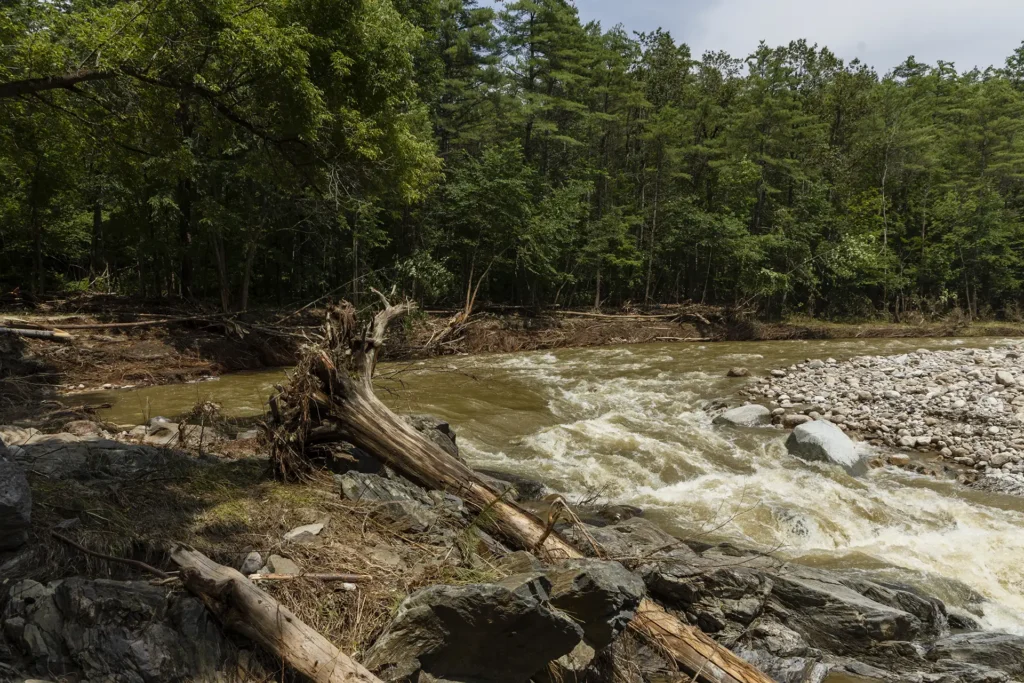
More frequent, intense rainstorms and flash flooding are unfortunately becoming more common in Vermont, especially in the foothills and mountains. Do not go hiking if extreme rain or flood watch is in the forecast. If you are out on the trail in a storm, find a place to shelter in place away from streams.
In periods of prolonged or heavy rainfall, even the mildest of streams can accelerate to the point of unsafe water levels and velocity. Unsafe water may be brown, bubbly, and/or loud. Hazards include the volume and velocity of water, which can sweep you off your feet, hidden debris under the surface, and contaminants. When in doubt, wait it out or find an alternate route around high or swift water.
To cross a stream in safe water conditions, follow these tips: Look for a slow-moving spot that is straight across between two bends. Face upstream. Unbuckle your pack’s waist and chest strap and loosen the shoulders. This will allow you to quickly shimmy out of your pack in the event you go down. Getting caught under the weight of your pack is the biggest risk in stream crossings. Keep your hiking shoes on to protect your feet and stabilize your footing. Use a hiking pole or walking stick to help stabilize you and provide another point of contact. Never cross a river alone; consider waiting for another hiker to do so safely.

Gain Skills and Confidence with a Workshop
GMC hosts frequent introductory workshops to hiking and outdoors skills. We also partner with SOLO Schools for Wilderness First Aid classes, a two-day intensive to earn nationally-recognized certification.