Successful Hikes Start with a Safety Mindset
When entering the backcountry, your safety is of utmost importance. Start here for proper preparation and safety planning, and learn about specific environmental concerns in Vermont to be aware of. Vermont has a robust interconnected Search and Rescue service, but help may be many hours away – you are your best rescuer.
The Ten Essentials:
Your Safety Checklist
These items will help keep you safe in the event of an unexpected delay or injury. For even the shortest day hike, be prepared to wait in the woods for many hours should you need search and rescue services.
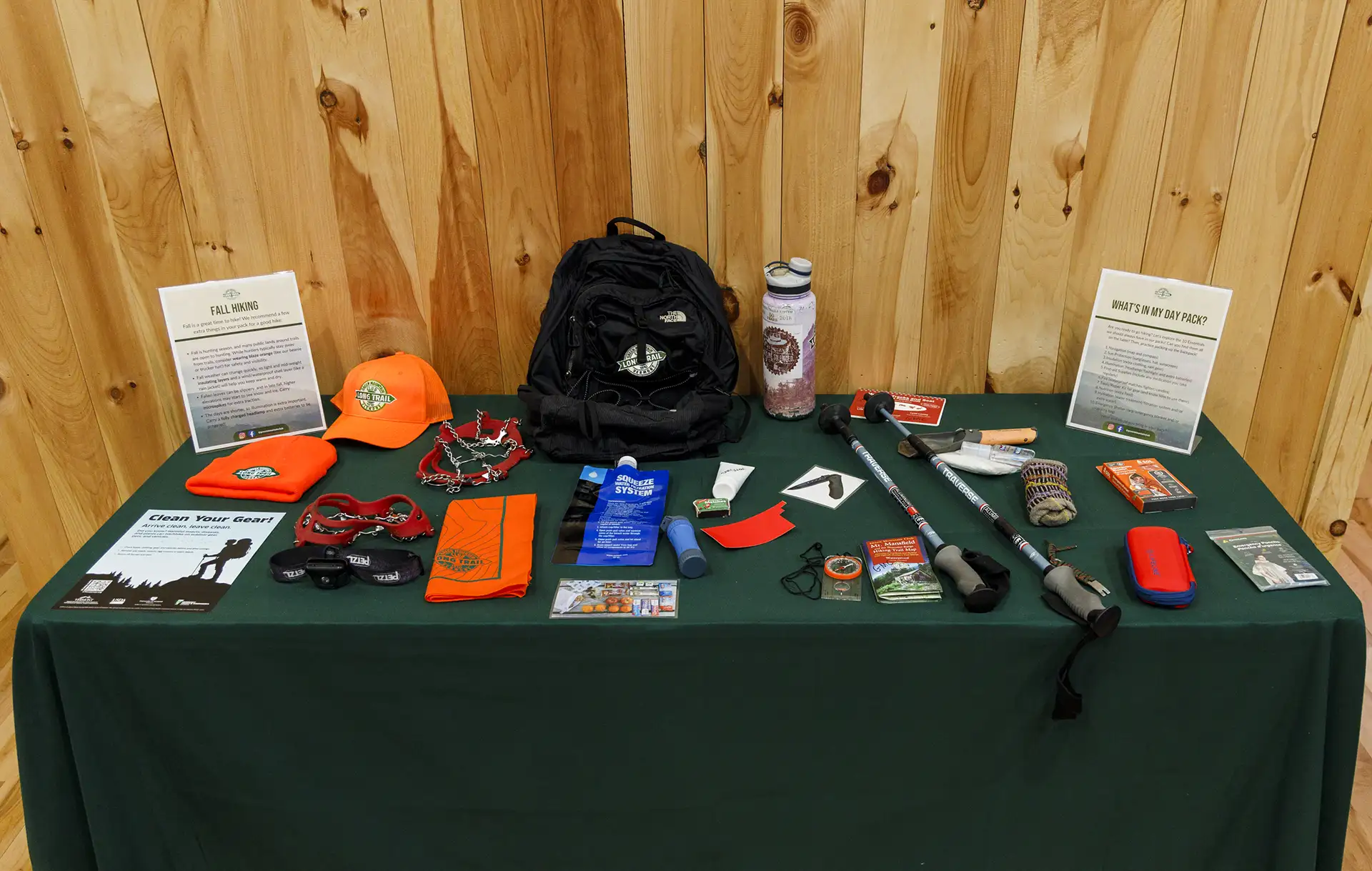
- Insulation – proper layers, including an extra fleece or jacket if temperatures drop, and a water- or wind-proof layer.
- Hydration – enough water for your hike, plus some extra, and/or a method for gathering and filtering water from the trail.
- Nutrition – enough food for your hike, plus extra. Aim for calorie dense, shelf-stable items that won’t freeze.
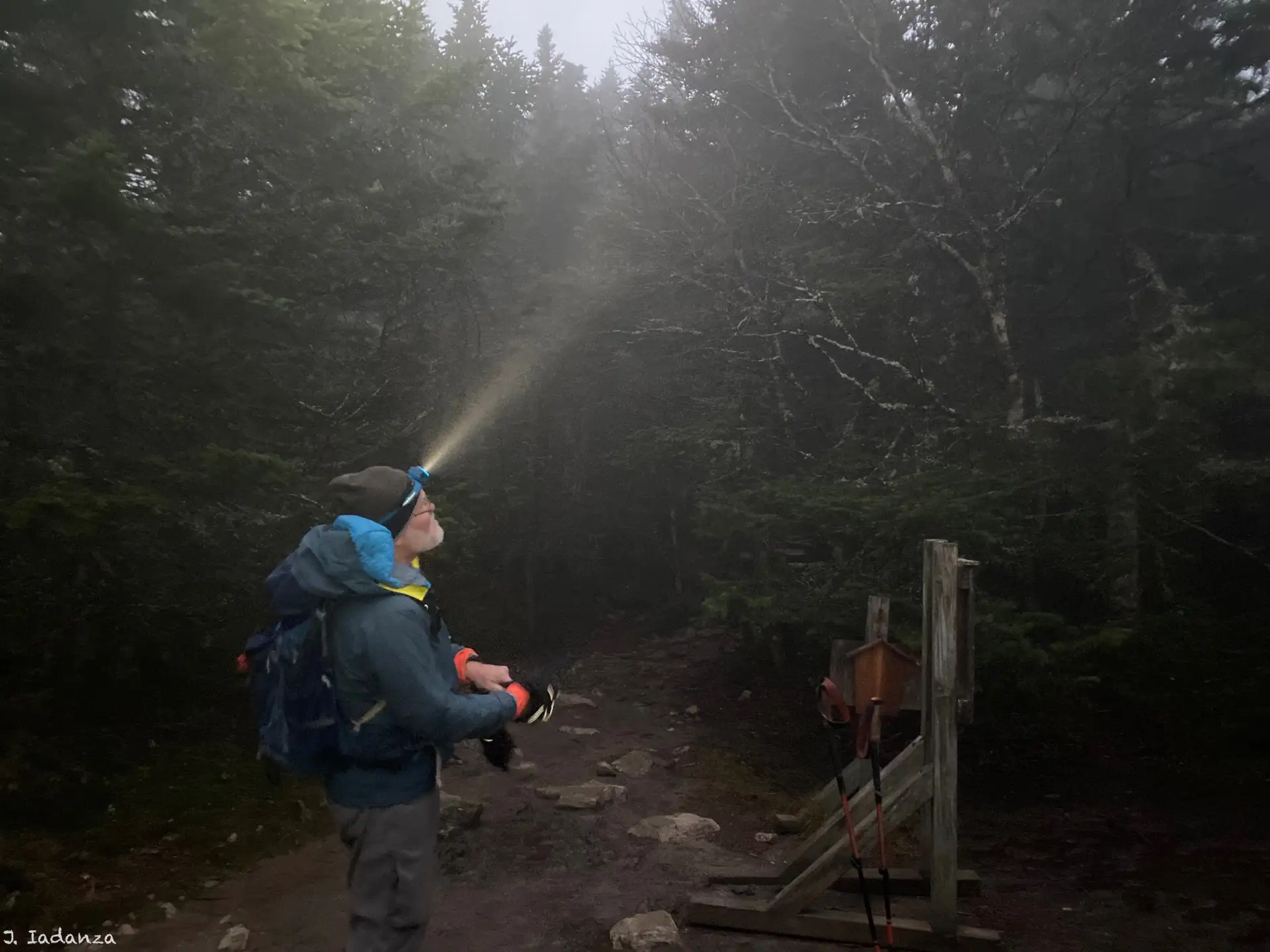
- Illumination – a flashlight or headlamp and extra batteries.
- Navigation – map and compass strongly preferred, as cell phones can die.
- Emergency Shelter – like a sleeping bag, bivy sack, or tarp. If you become lost or need to wait for rescue, something to keep you warm is invaluable.
- Fire Starter – with matches or a lighter, and a method for quick fire starting.
- Sun Protection – a hat, sun hoodie, and sunscreen.
- First-Aid Kit – including any regular medications. Children’s Benadryl and Aspirin can also be hugely helpful in backcountry emergencies.
- Gear Repair Kit – even just some duct tape can go a long way.
Staying Safe:
Weather Conditions
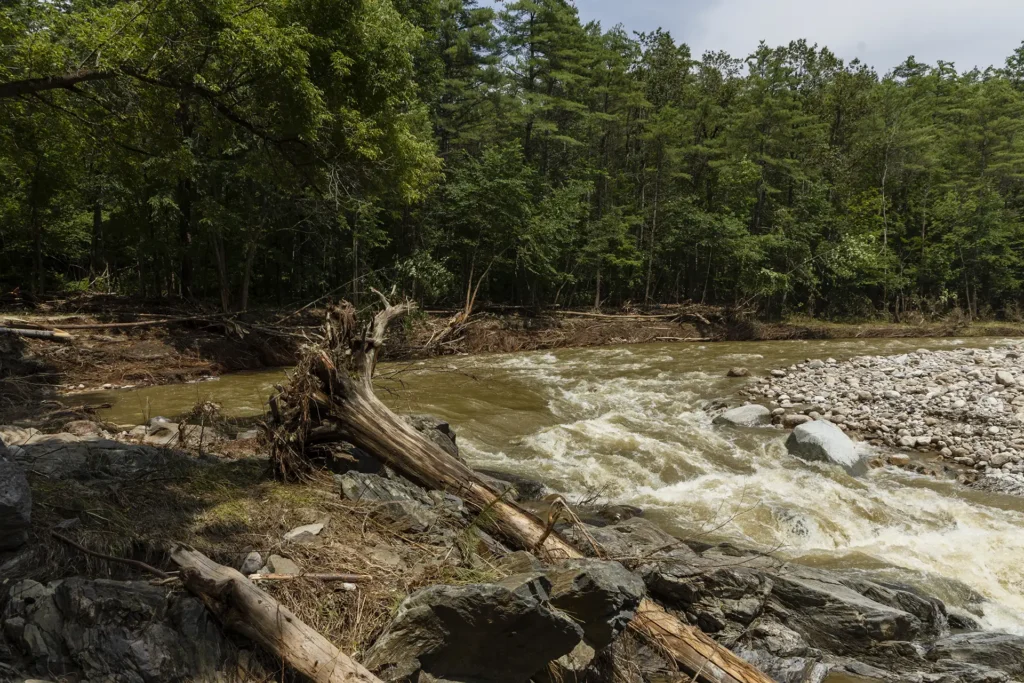
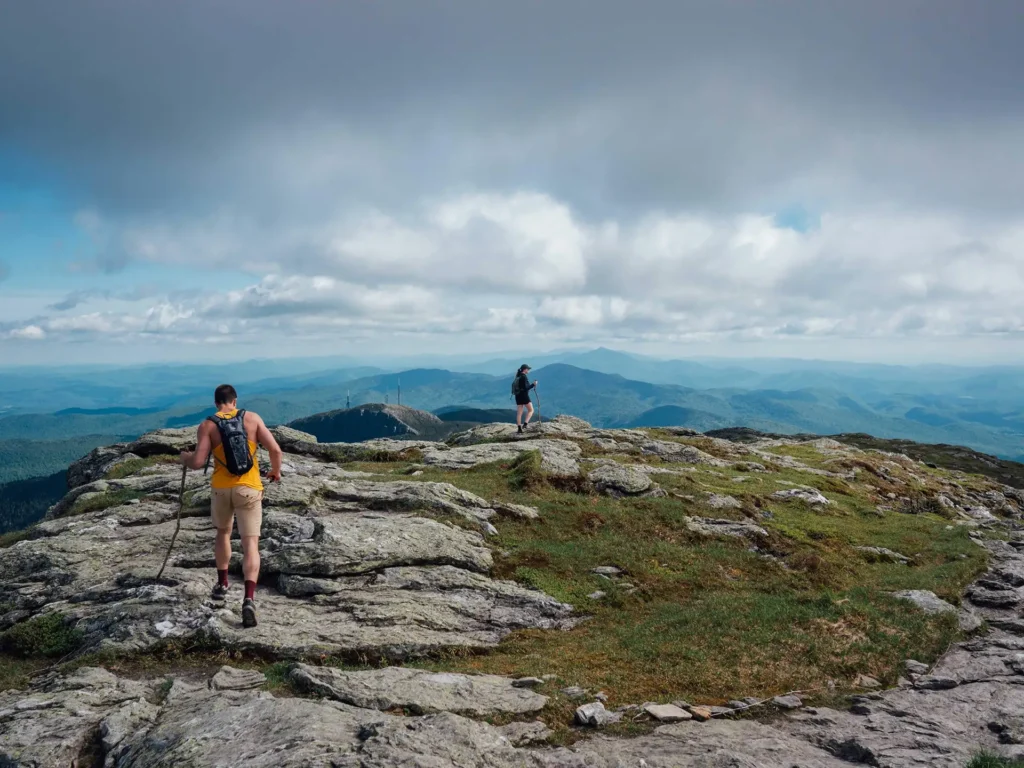
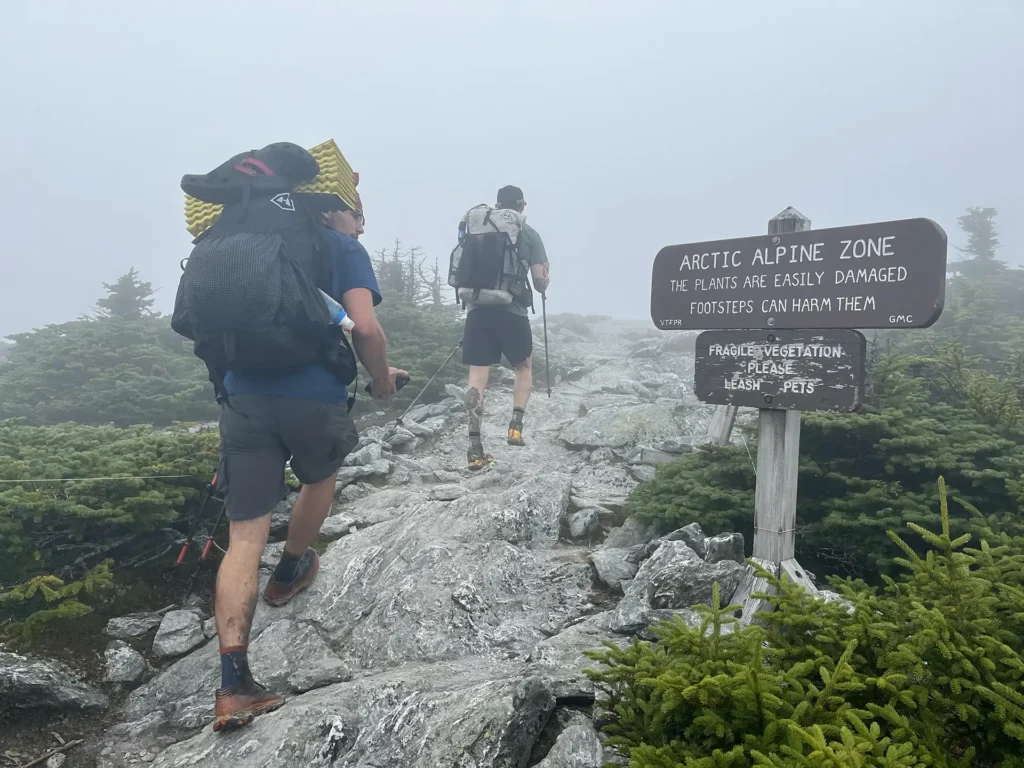
Weather conditions often cause the most likely threats to your safety. Vermont weather can change quickly, especially in the mountains. Summer months can be hot and humid; chilling rain and wind can come at any time. Thunder, lightning, severe rain storms, and snow can bring danger to the unprepared hiker, in the form of heat illness, hypothermia, flash flood risk, lightning strikes, and getting lost or injured. Learn about precautions to take for various weather conditions, how to read mountain forecasts, and what to do in case weather turns while you are out.
Staying Safe:
Wildlife
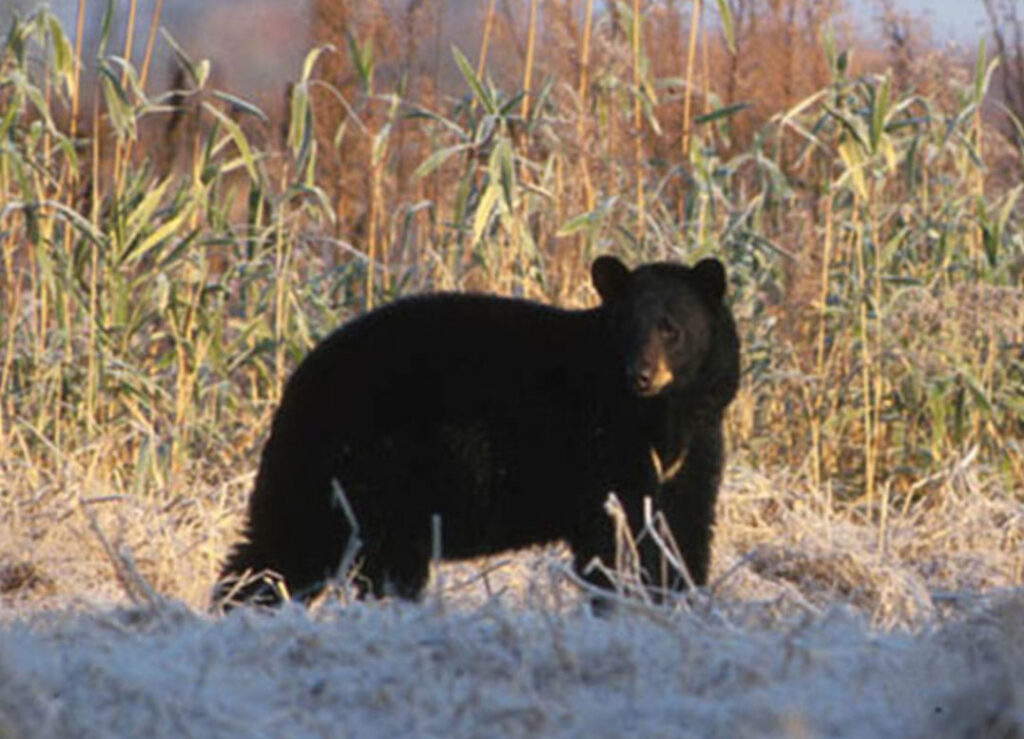
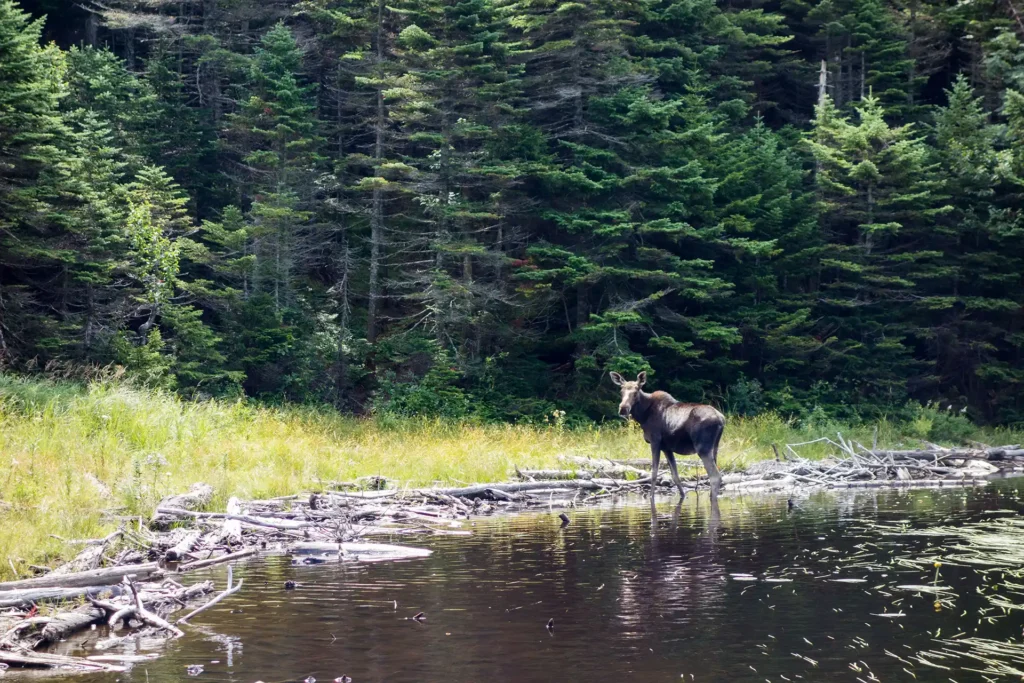
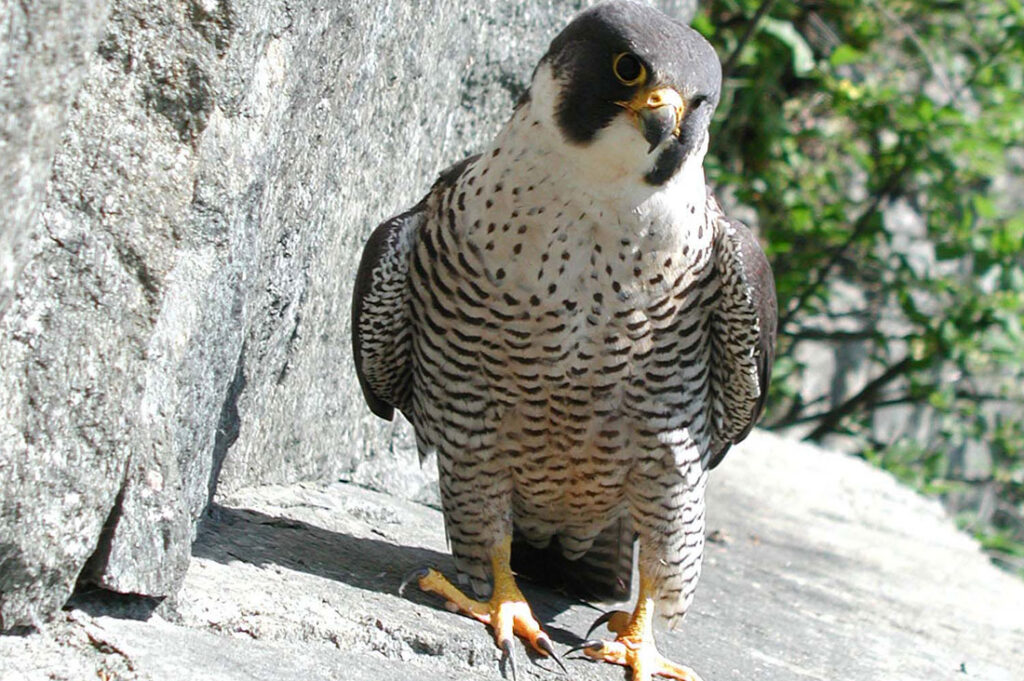
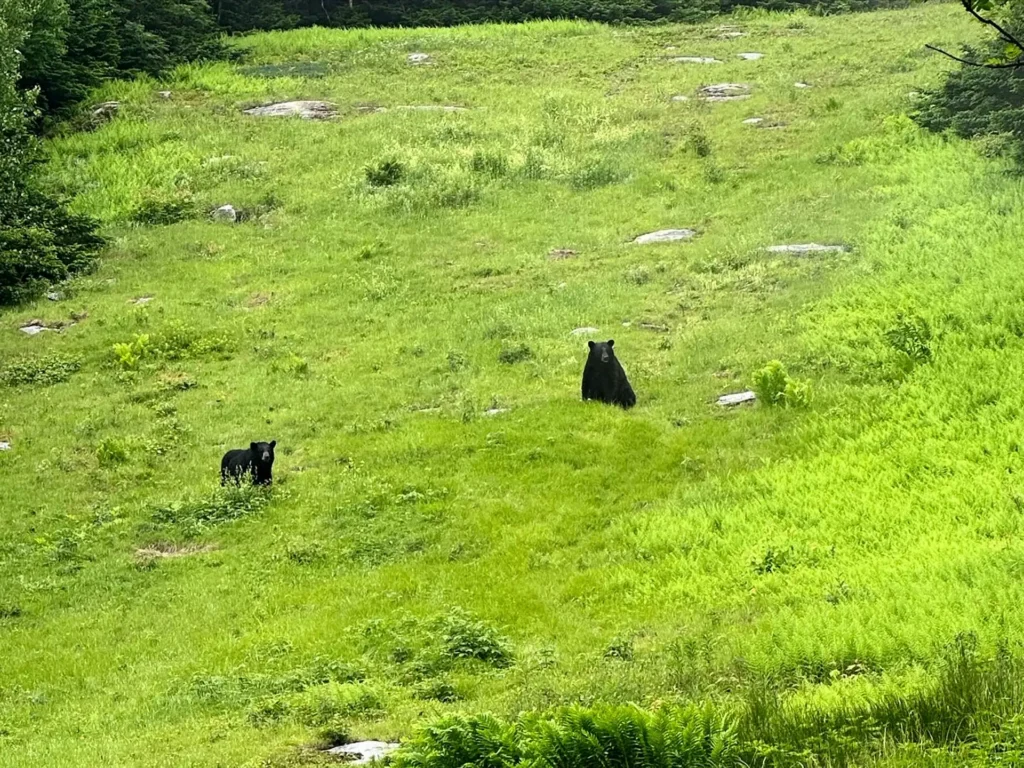
Most wildlife in Vermont does not pose a serious threat to humans. Traversing the Long Trail System, you may be lucky enough to see bear, moose, small mammals, rare and common birds, and of course insects, including disease-bearing ticks.
Staying Safe:
Food Storage
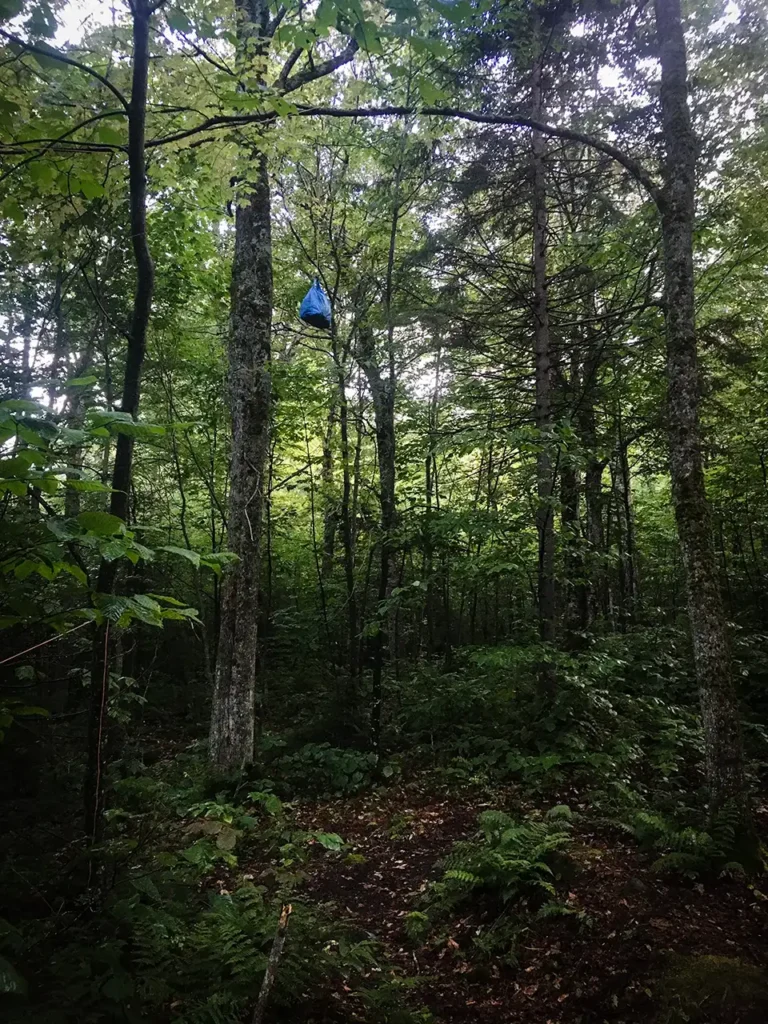
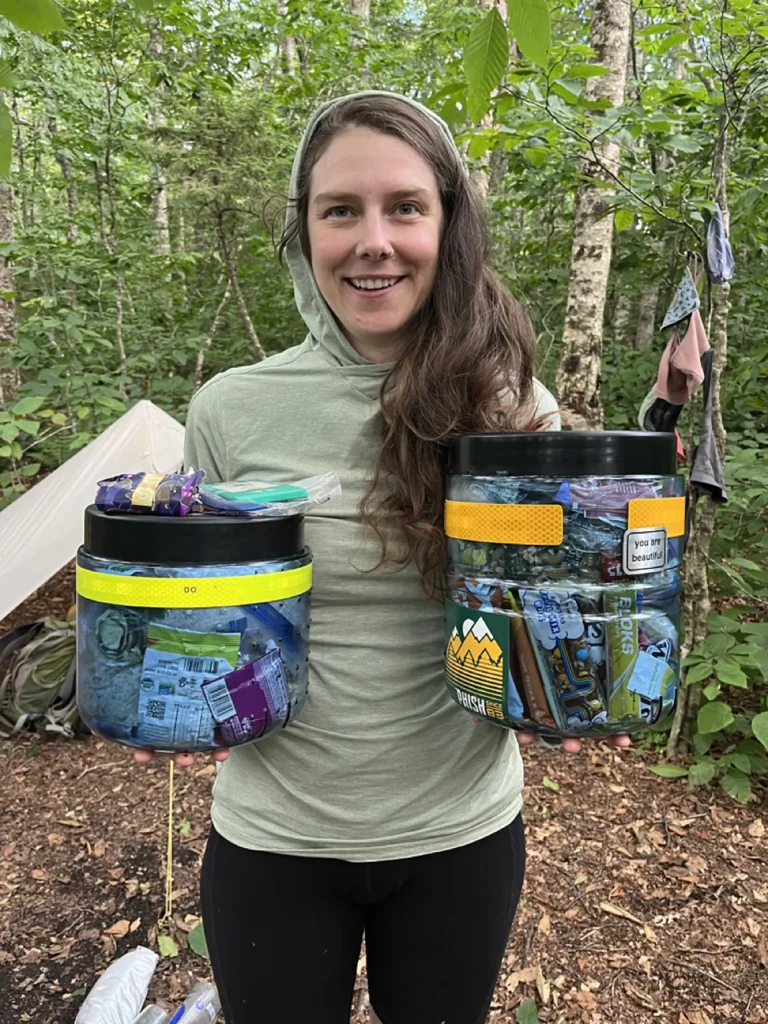
Black bears are common in Vermont. While they typically want to avoid humans, some black bears do associate humans with food and will become persistent, which puts both humans and bears at risk. Proper food storage is required in the Green Mountain National Forest and strongly encouraged everywhere else. All food, trash, toiletries, hygiene products, and dishes should be properly stored in an approved container and/or a safe distance from camp.
Staying Safe:
Search and Rescue
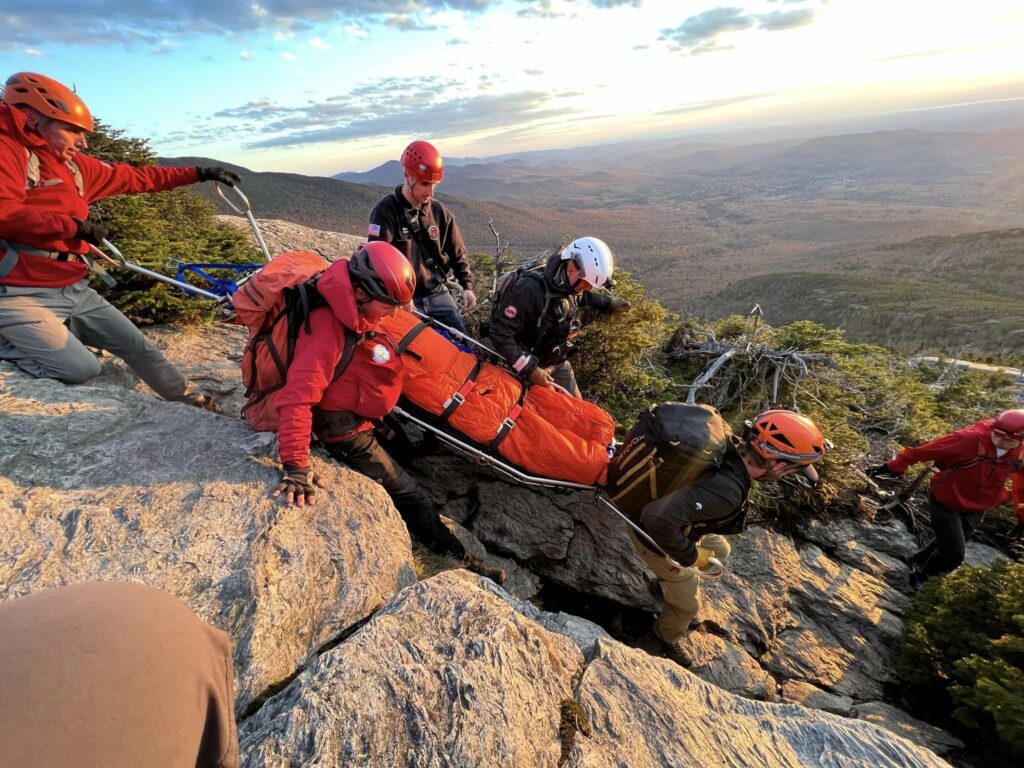
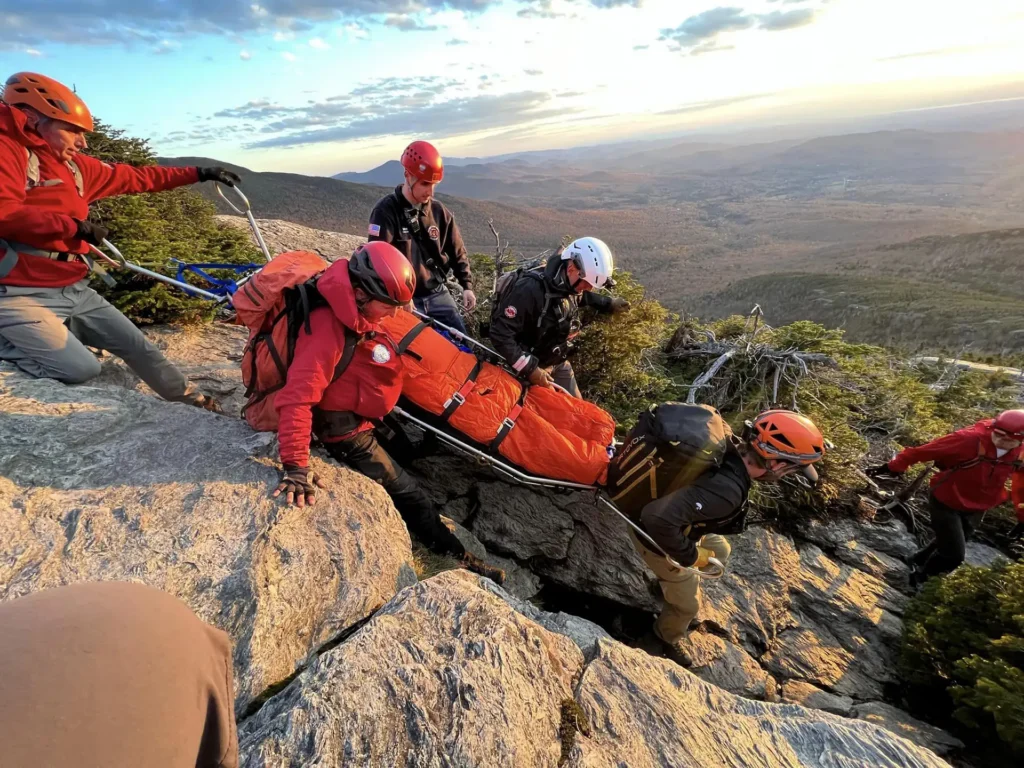
Vermont has a robust interconnected system of agencies that make up search and rescue. If you need help, call 911. Rescuers would rather you contact them before it is too late or the situation gets worse. Often, your issue might be solved with a simple phone conversation. If you need assistance, there is no charge for search and rescue missions in Vermont.
But, search and rescue is not a free ticket to safety. The most common reason for search and rescue calls is being unprepared for conditions. You should be prepared to be your own rescuer, and if you do need assistance, be prepared to wait many hours as volunteers hike in heavy equipment to remote locations. Cell phones are a valuable safety device, but are fallible. Both reception and battery life can be limited.

More Safety Resources
Get Connected to the Long Trail
Learn about current conditions, upcoming events, and inspiration resources for your next hike.